
CASE
JCB Co., Ltd. [Finance] Project Duration:7 months

Initiating the development of a Global HR Management Policy aligned with business strategy to drive further growth of overseas business expansion.
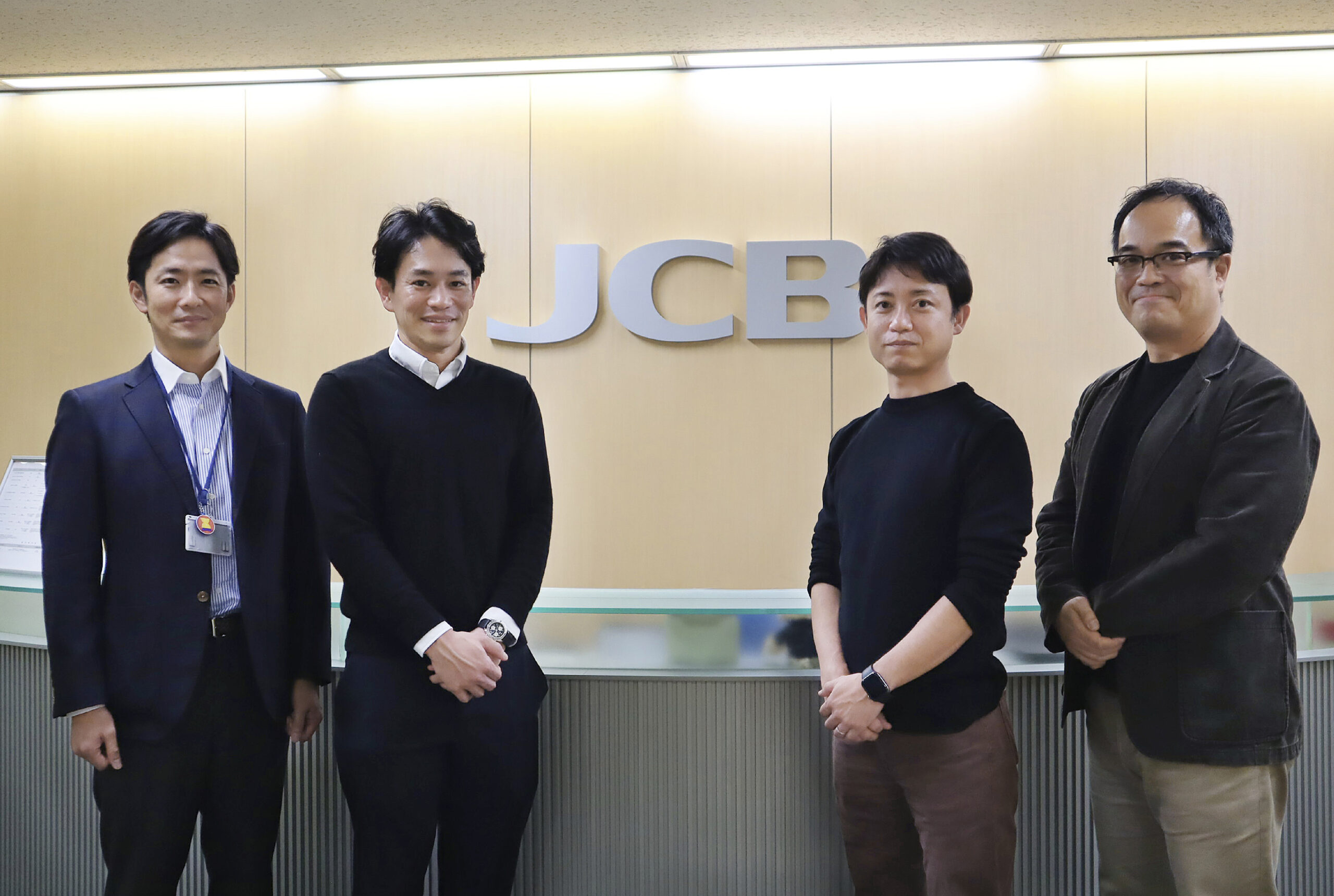
OVERVIEW
As the trend toward expanding business overseas accelerates, how to build organizational structures and Human Resource Management systems that align with business strategies is a common management challenge for many companies.
JCB Co., Ltd. used the formulation of its mid-term management plan as an opportunity to begin reviewing its Global HR Management Policy at overseas subsidiaries—primarily in the ASEAN region—to ensure alignment with its business strategy.
We supported the company in laying the groundwork for proactive business advancement by helping each subsidiary envision its future organizational structure and design subsidiary-specific Global HR Management Policy.
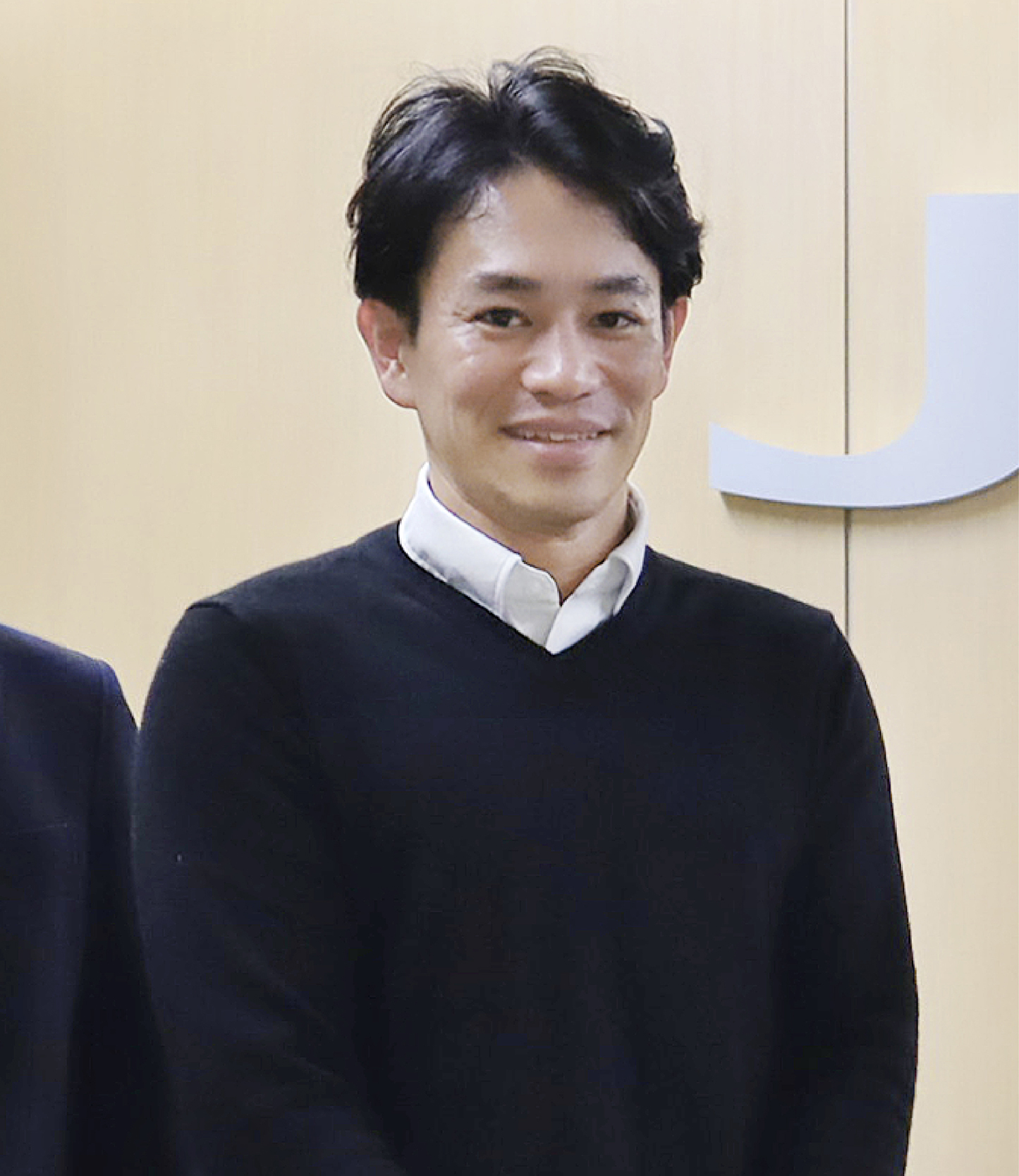
Hiroya Enomoto Vice President, Global Business Planning Group
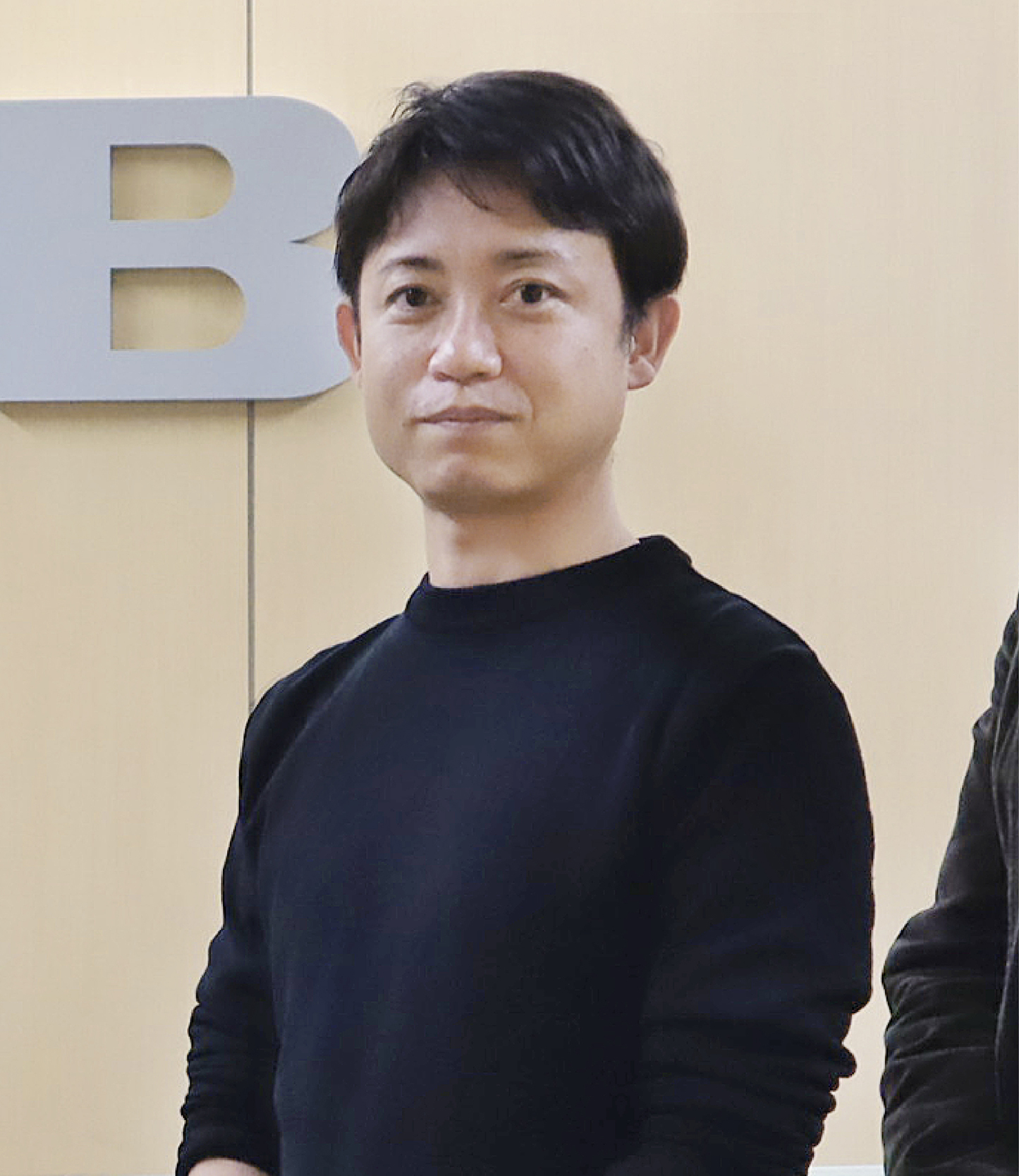
Shunsuke Toda Senior Vice President, Global Business Planning Group
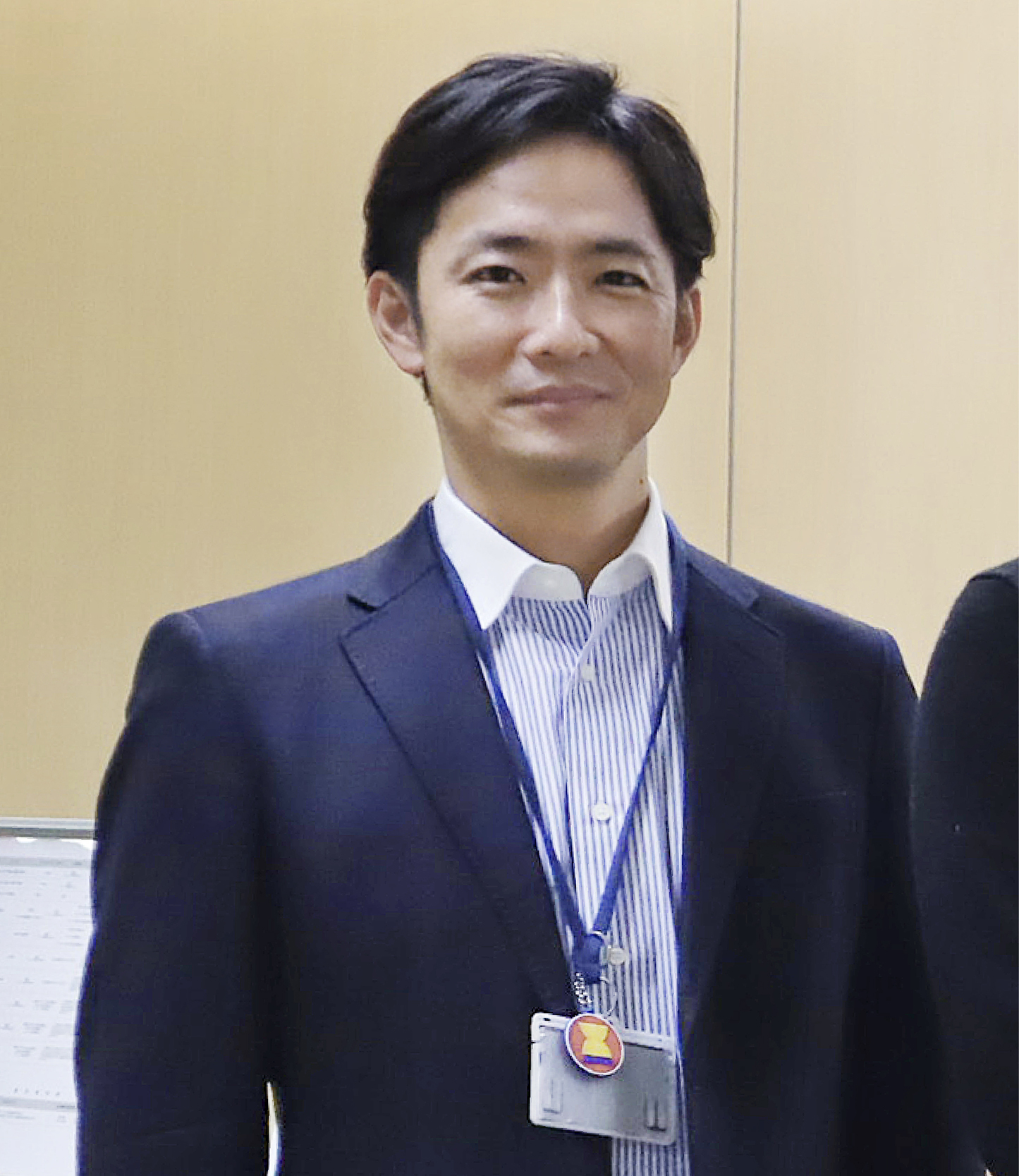
Hiroyuki Kurosaki Senior Vice President, ASEAN Business Development Headquarters
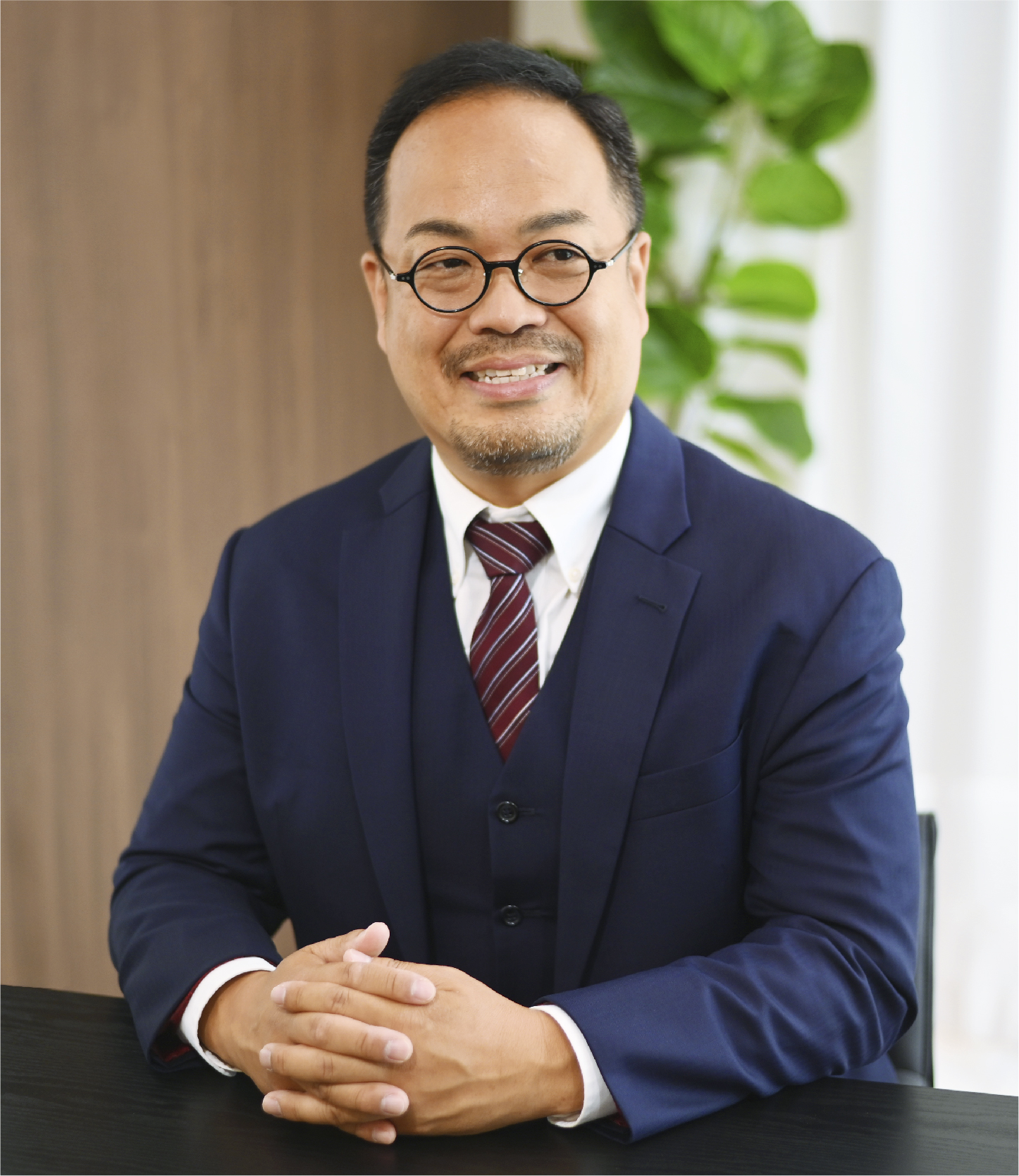
Tomohiro Minami CEO, TMHR Advisory & Coaching LLC
CHAPTER 01
Taking the formulation of the mid-term management plan as an opportunity, we began reviewing Global HR Management Policy at overseas subsidiaries.
We recently assisted you in formulating Global HR Management Policy for your overseas offices. Could you please tell us again about the background behind the launch of this project?
Mr. Toda
The catalyst for this project was the formulation of our mid-term management plan. As we were mapping out our growth strategy for overseas operations over the next four years, we recognized the need to address how to build the organizational structure at our overseas offices and manage human resources to realize that strategy.
In particular, the ASEAN region is a key market that will drive our company’s future growth, making the strengthening of overseas subsidiary’s organizational capabilities and the advancement of management practices unavoidable priorities. We also felt that our business expansion and organizational growth had recently entered a new phase, and that to move to the next stage, we needed to elevate our talent management to a higher level.
So, the management plan served as the starting point, and you decided to proceed with strengthening local structures and reviewing talent management to achieve those goals.
Mr. Toda
Yes. Generally, business plans focus on quantitative aspects, such as the number of employees and organizational structure. However, in practice, the mindset and motivation of each individual employee as well as the nature of the organization itself, have a significant impact on results.
Therefore, we launched this project because we believed that, at this juncture of the mid-term management plan, we needed to redefine “what the ideal organizational structure for each overseas subsidiary should look like” and establish Global HR Management Policy to achieve it.
CHAPTER 02
The deciding factor for adoption was the ability to stand on the same level and receive strong support for solving challenges.
Please tell us why you chose our company as your TMHR partner.
Mr. Enomoto
The deciding factors were twofold: “deep understanding of JCB’s business” and “possession of a concrete framework for implementing strategic HR.”
TMHR has been a partner that has closely observed JCB’s business operations, and their thorough grasp of our business challenges gave us a great sense of reassurance. Additionally, the framework they provided, which aligns closely with our vision for strategic HR, perfectly matched our needs.
To implement strategic HR with a sense of urgency, you need a partner who is well-versed in that field. In that regard, I felt that TMHR, with their deep understanding of JCB and his expertise in global HR, was the ideal partner.
What were the main challenges you faced while implementing the project?
Mr. Enomoto
I found it difficult to get each country head to understand what “strategic HR” actually entails.
While formulating the mid-term management plan, issues such as “lack of sufficient opportunities and time to systematically learn about HR” were raised, but the recognition and actions toward “strategic HR” had not been well established.
Consequently, figuring out how to communicate the necessity of strategic HR and how to get the country heads to take action was a particularly difficult challenge.
How did our ongoing support help increase the country heads’ understanding and buy-in?
Mr. Enomoto
Rather than simply receiving one-way messages from the company, the process involved the country managers thinking for themselves, designing solutions, and producing outputs. In this context, TMHR’s online and on-site workshops played a major role.
The workshop in Jakarta was particularly memorable. I believe the moment the country heads had the opportunity to envision the state of their business and organization in 2030 was the instant when the importance of the initiative truly clicked for them.
I sensed that while each country head understood from the start that they “should pursue strategic HR,” they may have been in a state where they couldn’t quite take that first step. I feel that going through the steps to internalize the process and move forward during the workshop was of great significance.
Looking back on the TMHR project, could you share any changes you’ve seen on the ground or feedback received from the country heads?
Mr. Enomoto
We heard feedback from the country heads such as, “I was able to fully address issues that I had always felt were important but couldn’t tackle on my own,” and “It was extremely valuable to have time to think about the future of our branch.”
When you’re caught up in day-to-day operations, it’s hard to find time to think about the state of the organization. I believe that by securing time to address topics that tend to get put on the back burner through this project, it served as a catalyst for changing the mindset of the country heads.
As the sessions progressed, their understanding of strategic HR gradually deepened. By organizing challenges and applying them to a framework, the previously ambiguous relationship between “business growth and the organization’s structure” became clear. It seems they have now developed a concrete vision of “what kind of team we should be at this stage of the business.”
Once the contours of that vision become clear, the initiatives we need to pursue going forward also become clear. In fact, that is precisely the outcome we had aimed for before launching the project. Realizing that the creation of this Global Human Resource Management Policy was a meaningful endeavor and was itself a significant achievement.
CHAPTER 03
Each subsidiary has outlined its ideal organizational vision and taken the first step toward the future.
Finally, could you offer some advice for Japanese companies that are finding it challenging to build organizations at their overseas subsidiaries?
Mr. Kurosaki
In this project, in addition to thoroughly learning the framework from the ground up, we also made a point of setting aside time to think about the future of our own organizations. I believe that, in addition to these two efforts, the one-on-one sessions with the instructor and the opportunities for country heads to communicate face-to-face allowed us to confront organizational management challenges with a sense of realism.
For companies looking to build organizations aligned with their business plans, I recommend pursuing a well-balanced learning approach that combines classroom instruction, communication, and practical exercises.
Learning about other companies’ initiatives through case studies was also a major learning experience. Through information shared by experienced instructors, we gained new insights, such as realizing, “There are companies taking on such challenges?”
Even across different industries, there are common concerns and challenges unique to companies expanding from Japan into overseas markets. Learning about other companies’ cases allowed us to re-examine our own challenges objectively, leading to a positive shift in mindset: “Let’s give this a try ourselves.”
I truly felt that regularly incorporating external insights helps strengthen the foundation of global talent management.
A significant change this time was the creation of horizontal connections through the opportunity for country heads to engage in dialogue during the workshop. Leaders of overseas subsidiaries tend to feel isolated, but by establishing a forum for mutual learning, we have laid the groundwork for continuous information sharing.
I believe that for companies with multiple overseas subsidiaries, building a network among country heads and promoting communication can help alleviate isolation and lead to new discoveries.