
CASE
CMK Corporation [Electrical Equipment] Project Duration:2 months
Uncovering accumulated organizational challenges through a third-party perspective and on-site assessments.
OVERVIEW
It can be difficult for headquarters to gain a clear picture of the actual conditions at overseas subsidiaries, and as they repeatedly address problems that arise immediately, the underlying fundamental organizational and HR challenges may be overlooked.
At the Thai subsidiary of CMK Corporation, various challenges—including governance, production management, and internal communication—had come to the surface approximately 20 years after its establishment.
We conducted an organizational and human resources assessment over a period of about two months to visualize the actual conditions on the ground and identify issues within the HR system. We then supported the company in laying the groundwork for a subsequent overhaul of its HR system.
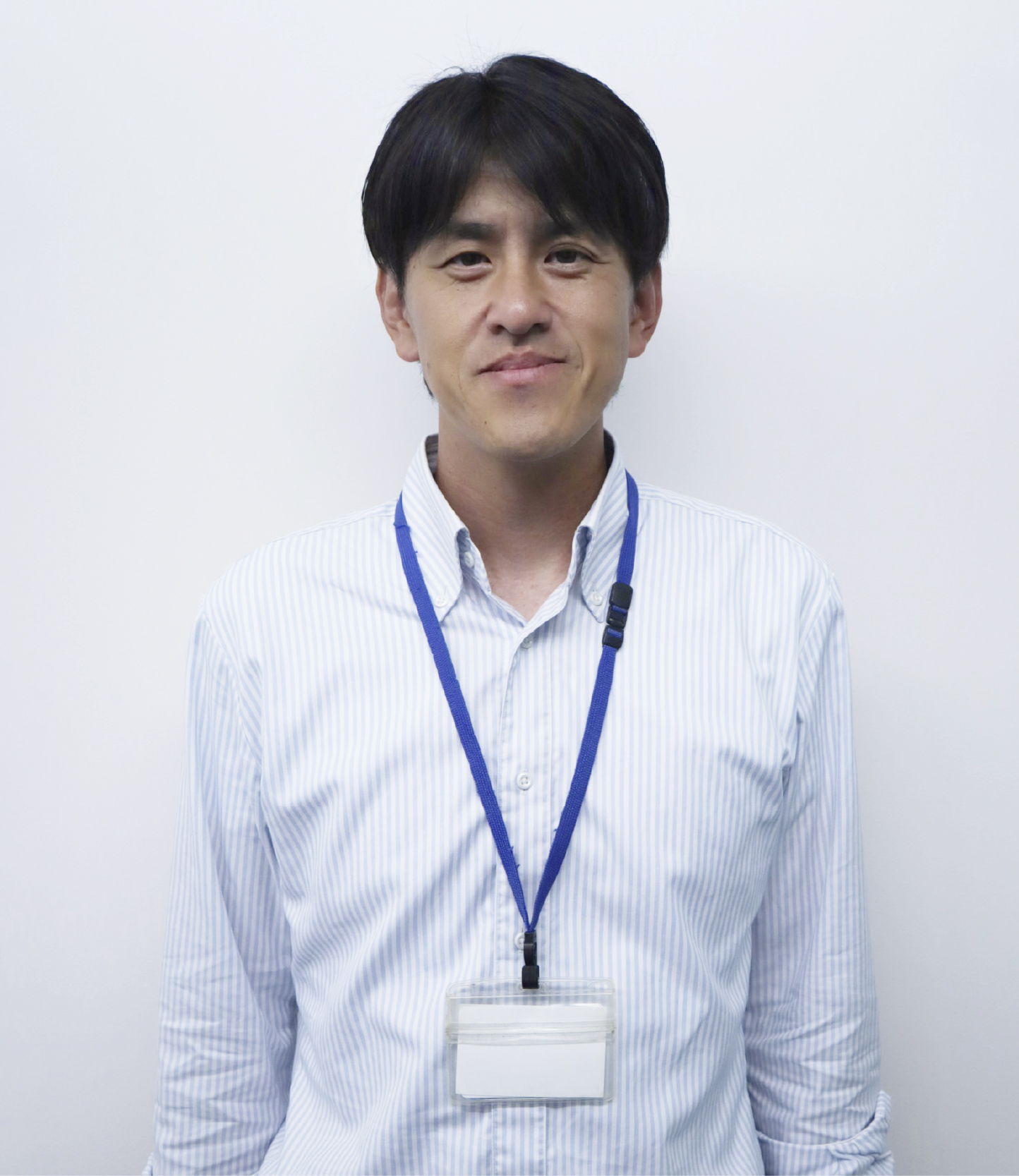
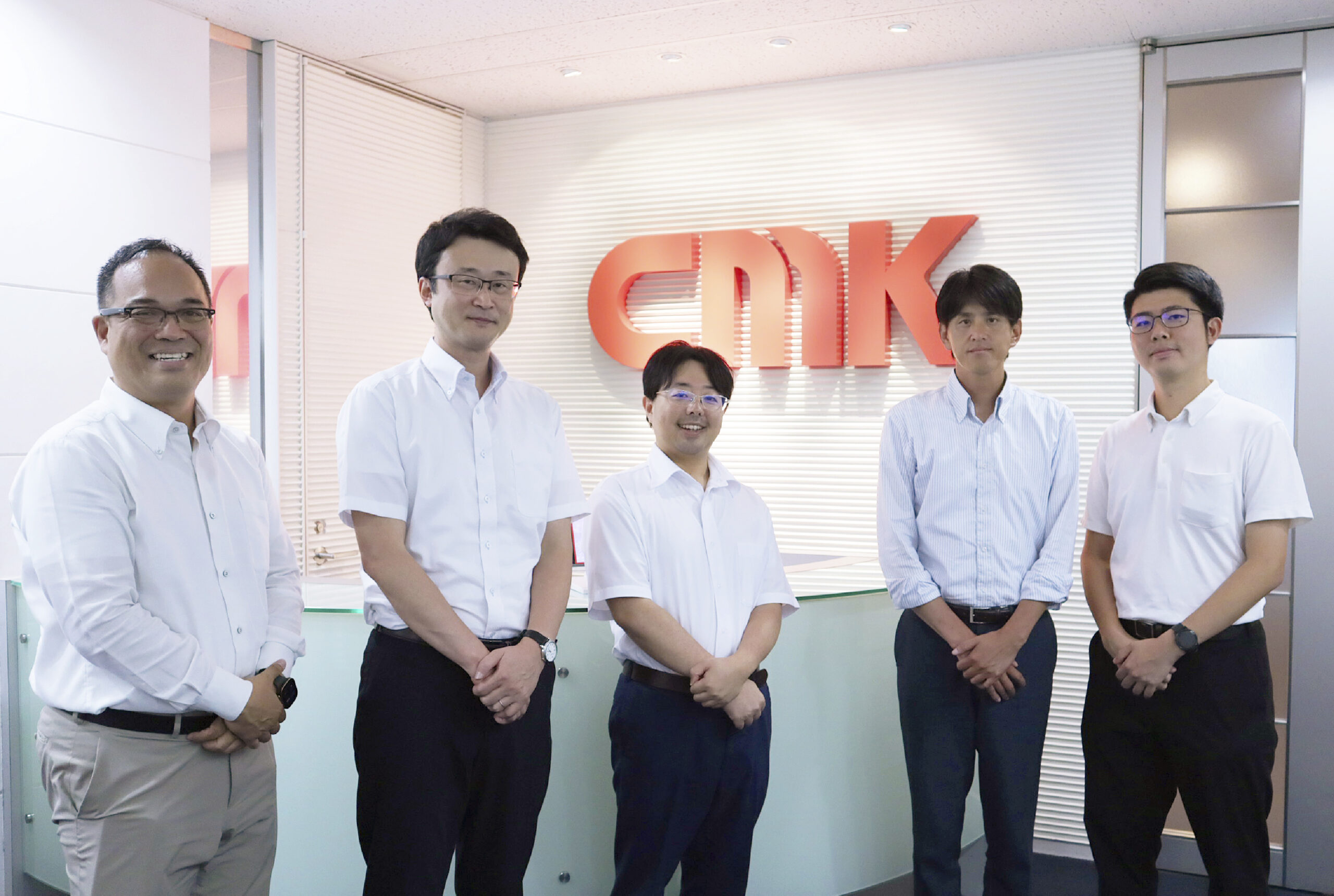
Wataru Nakaaji General Manager, Personnel Department
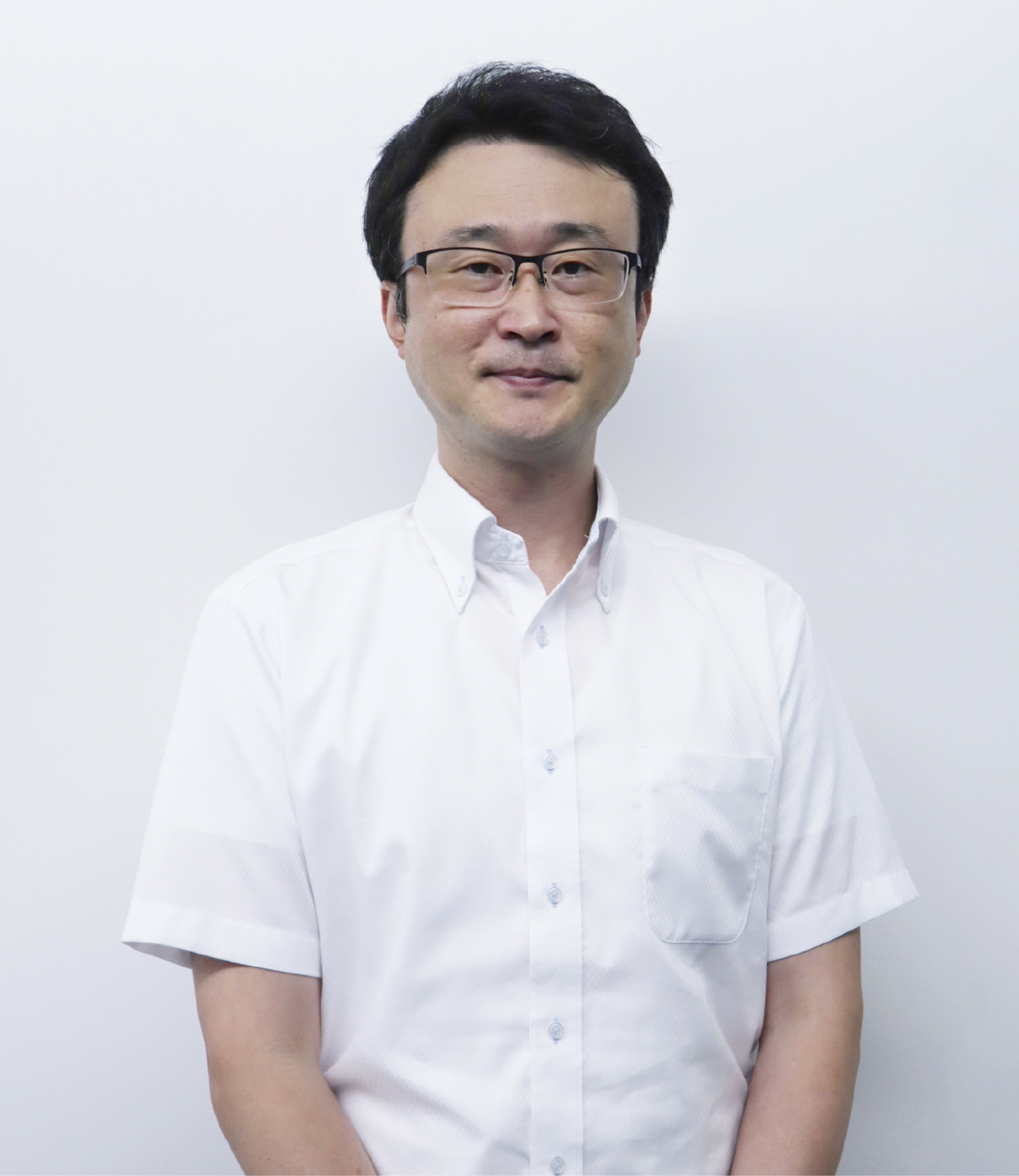
Takeshi Inutsuka Manager, Personnel Department, Personnel Planning Division
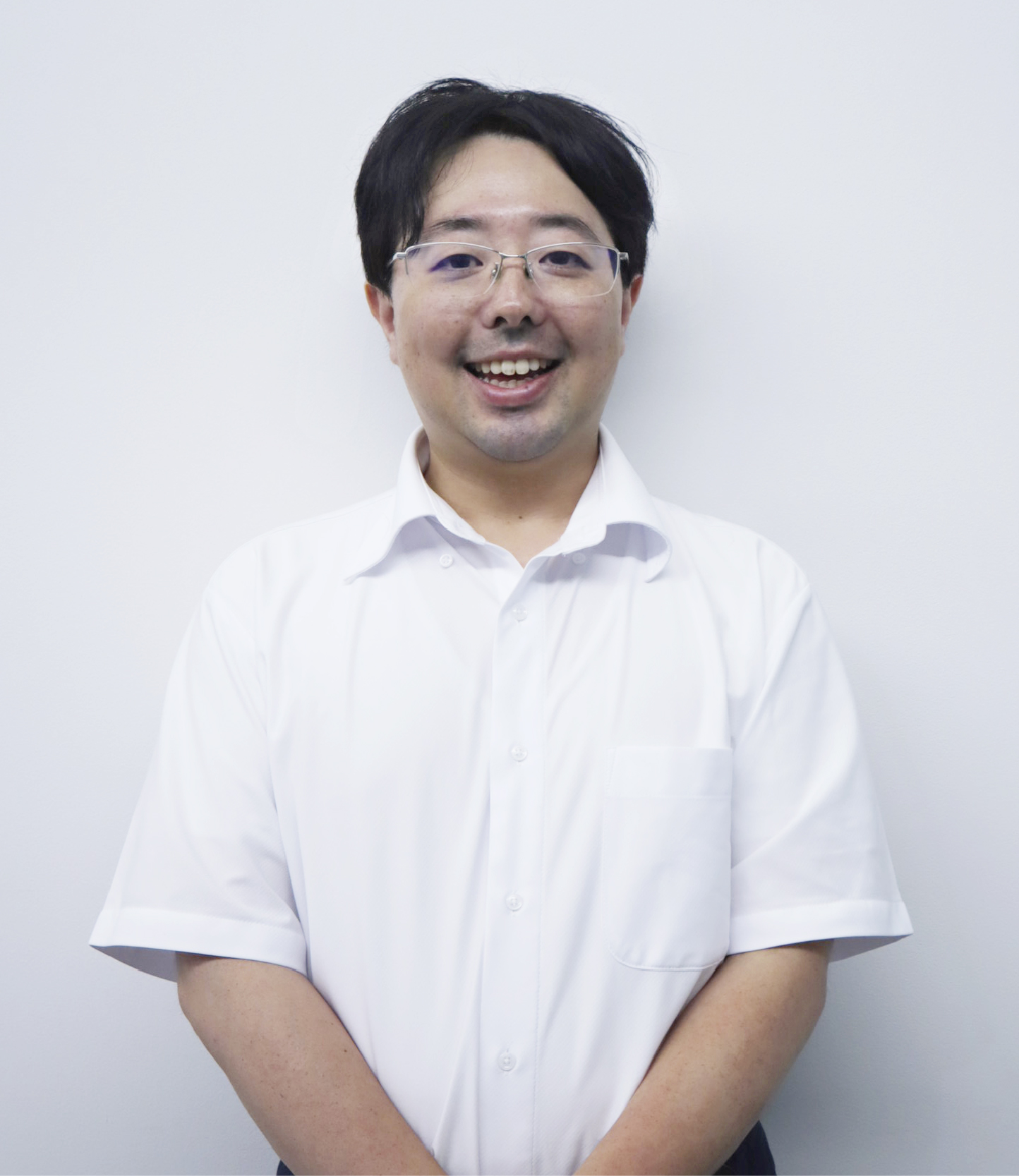
Tomihiro Hiraga Expert, Personnel Department
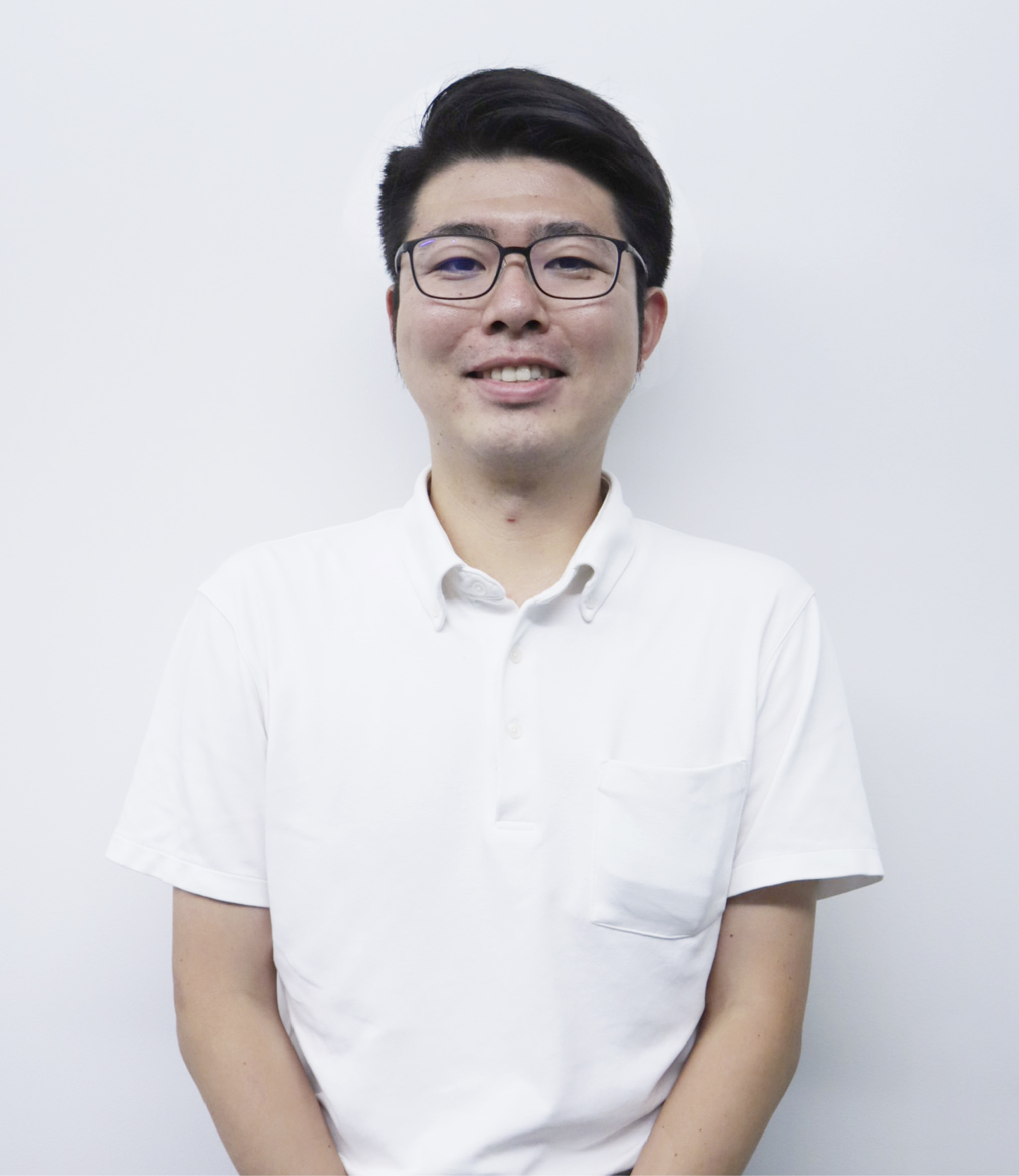
Yuta Matsui Personnel Department, Personnel Planning Division
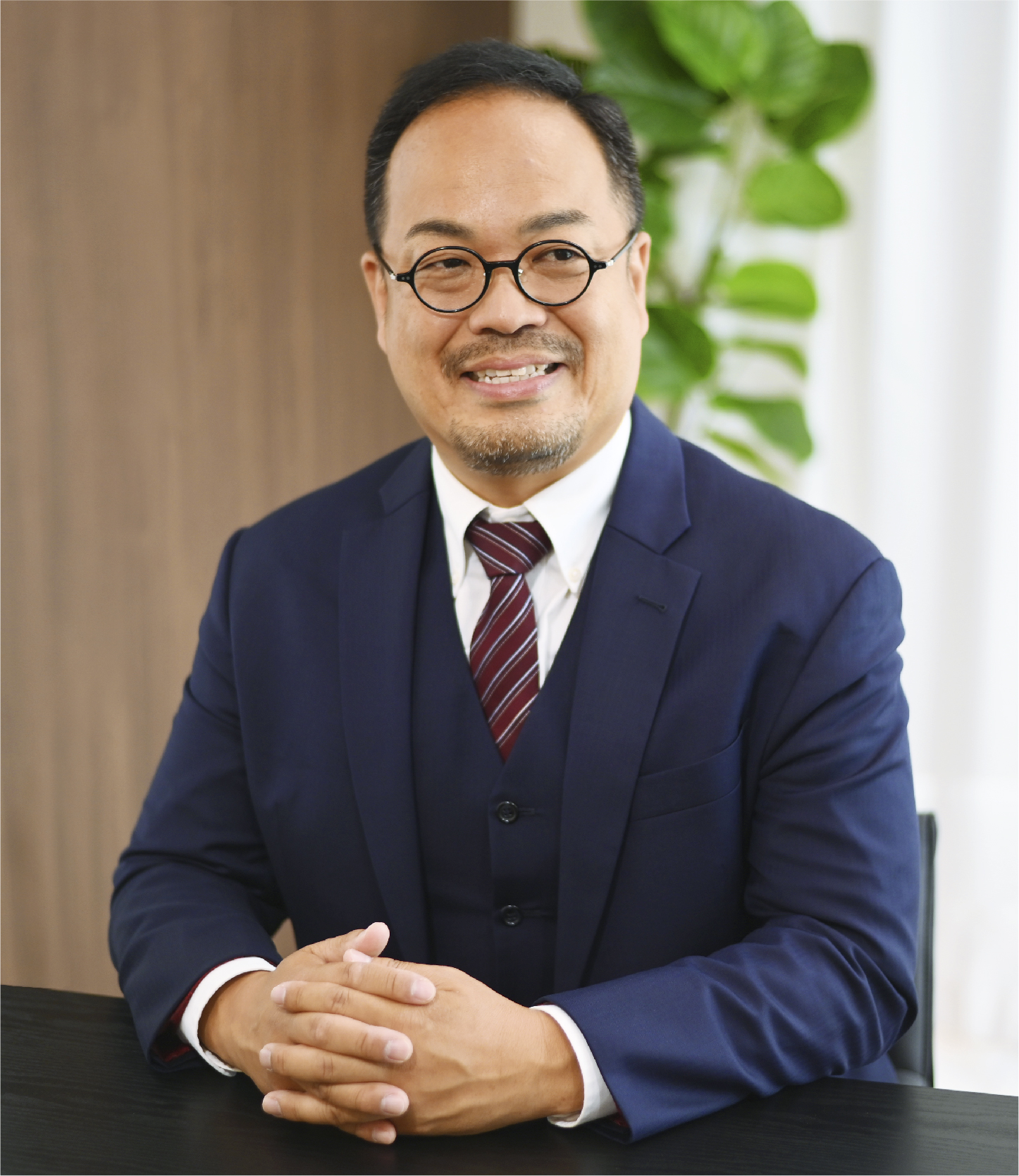
Tomohiro Minami CEO, TMHR Advisory & Coaching LLC
CHAPTER 01
Moving beyond addressing immediate problems to begin a fundamental review of organizational systems.
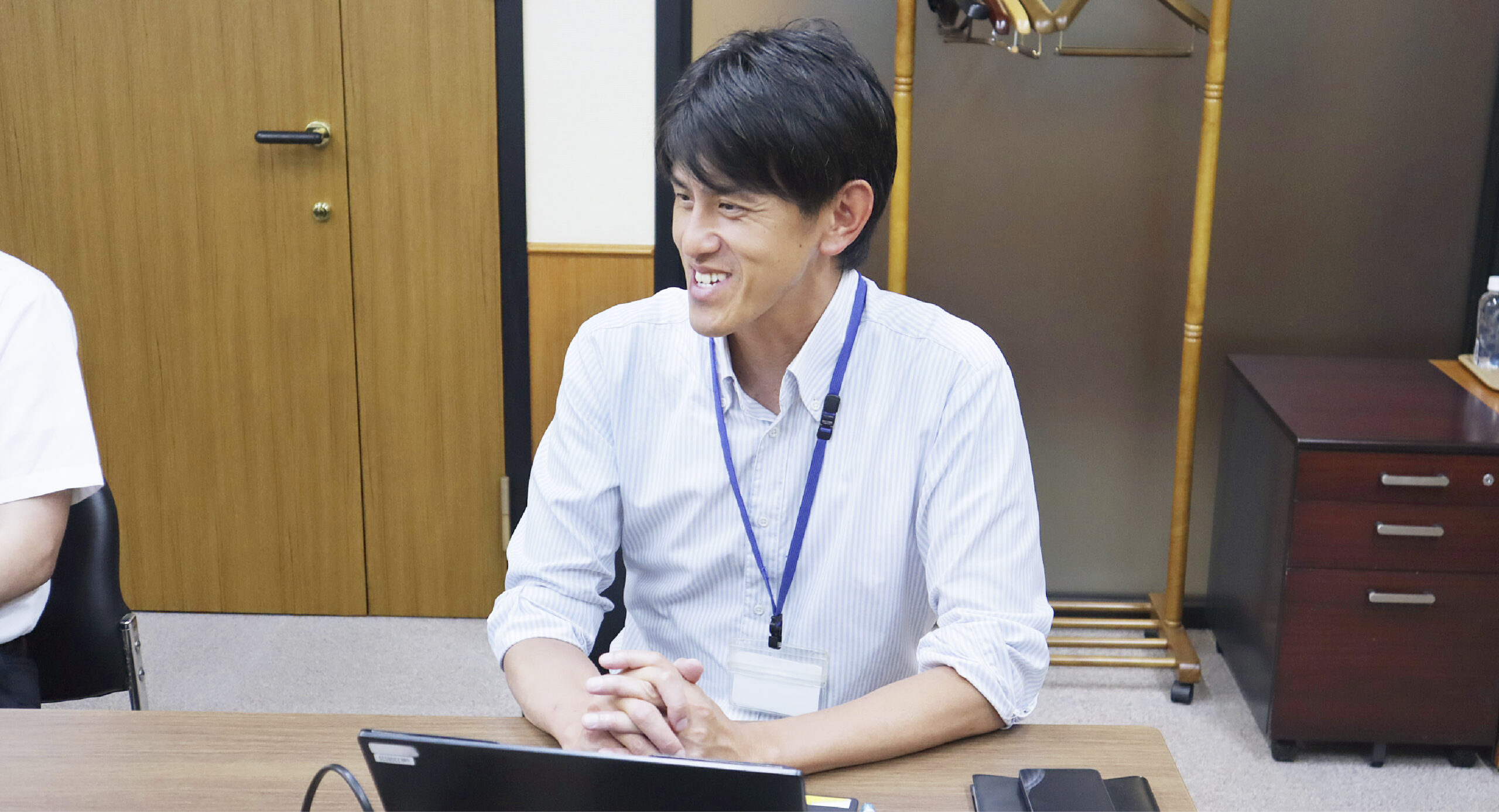
Could you tell us about the background behind conducting the organizational and human resources assessment at your Thai subsidiary this time?
Mr. Nakaaji
It has been about 20 years since our Thai subsidiary was established, but we felt there was an issue in that the detailed operational mechanisms were not sufficiently in place. On the shop floor, various problems were surfacing, such as production management issues and a lack of communication between supervisors and subordinates.
Until now, we had addressed these issues on a case-by-case basis as they arose, but when we examined “why these things were happening,” we concluded that the root cause might lie in the fact that we had not thoroughly reviewed the underlying systems since the factory’s inception.
Consequently, we determined that we needed to rebuild our organizational structure from the ground up to strengthen our governance.
Why did you decide to outsource the assessment rather than conduct it in-house?
Mr. Nakaaji
The main reason was the difference in speed. Of course, there is value in discussing and creating systems from scratch on our own. However, our Thai subsidiary at the time was facing a mountain of problems that needed to be resolved, and we needed to create a better system as quickly as possible.
For that reason, we chose to enlist the help of experts and proceed with the assessment swiftly.
Could you tell us what was the deciding factor in choosing our company as your partner?
Mr. Nakaaji
The deciding factors were TMHR’s character and how easy it was to communicate with TMHR. For projects that touch on the very foundation of an organization—such as revising HR systems—it’s necessary to hold numerous meetings and engage in detailed back-and-forth discussions.
In that context, a relationship where both parties can clearly understand each other’s thoughts and intentions is crucial to the project’s success. I found TMHR’s explanations to be very clear and their communication style easy to follow, so I felt we could work well together and decided to engage them.
CHAPTER 02
It’s important to ensure that frontline staff understand the future that lies beyond the system changes.
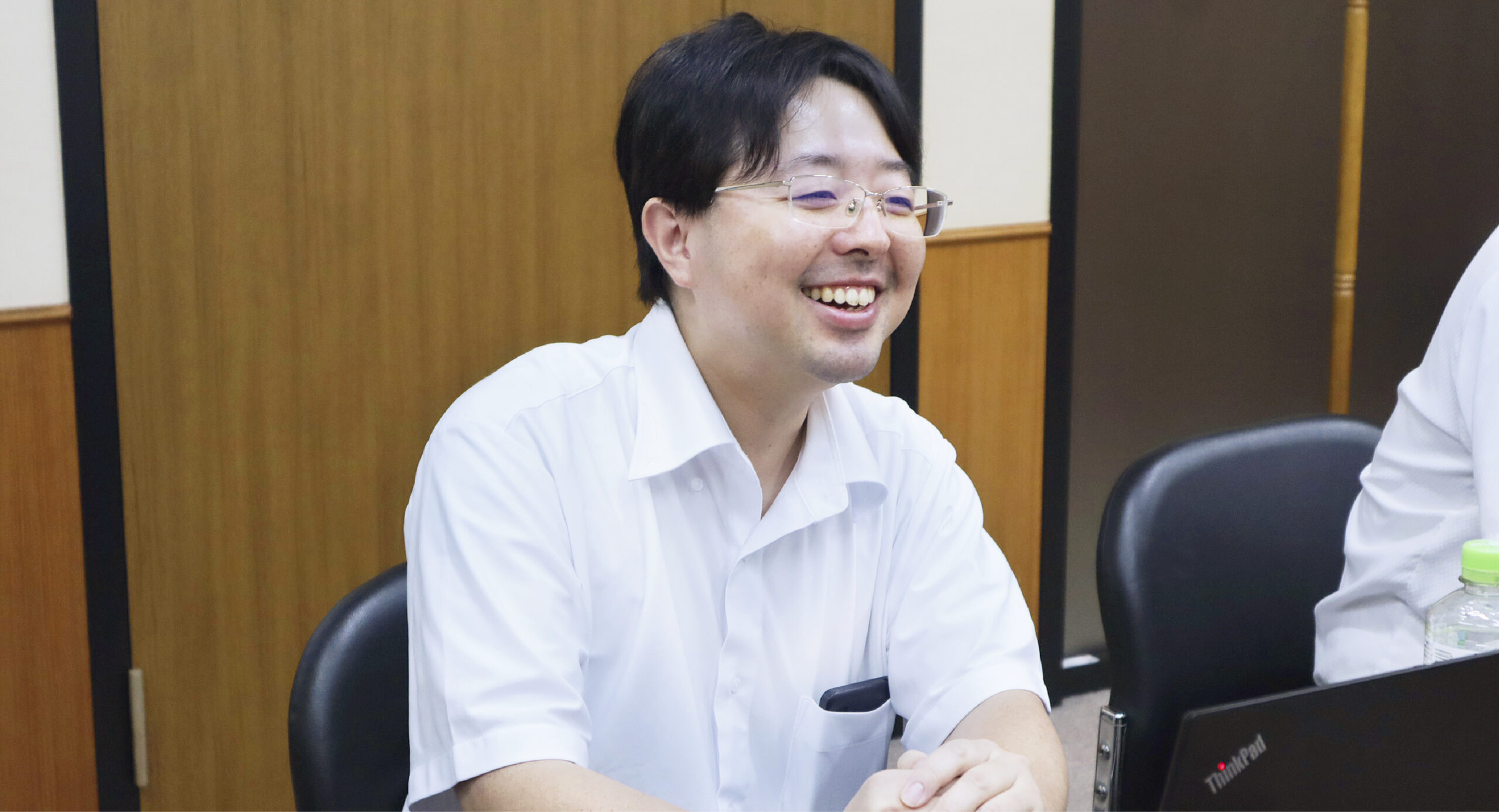
Could you tell us about the aspects you found challenging while conducting the organizational HR assessment?
Mr. Hiraga
The most challenging part was getting frontline employees to understand how the Thai subsidiary would change as a result of modifying various systems—primarily the HR system—based on the assessment findings.
Since we’re in HR, we can visualize to some extent what will change if, for example, we adjust job grades, or what will become possible if we revise the performance evaluation system. However, from the perspective of frontline employees, even if they hear that the HR system is changing, they don’t immediately grasp “what that means for their work or the organization.”
Therefore, I felt it was necessary not just to explain the systems themselves, but also to communicate how the company and the way we work would change as a result.
While it is important to visualize challenges through organizational HR assessments, I believed it was crucial—for the subsequent implementation of system reforms—not to leave the understanding of those results solely to management and HR, but to ensure that frontline employees also understand “why we are making these changes.”
CHAPTER 03
Objective data and advice from a third-party perspective drove institutional reform at the Thailand office forward.
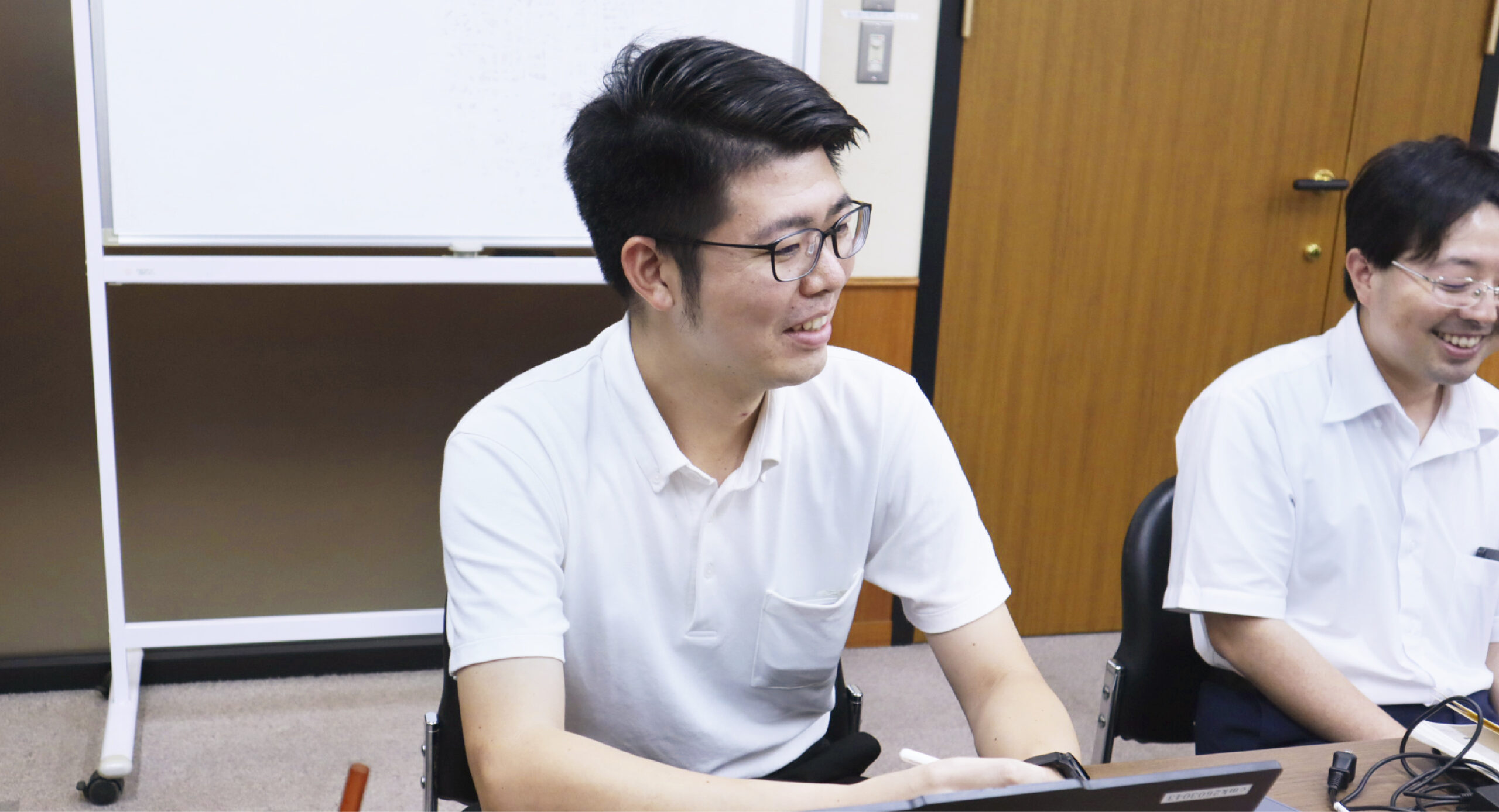
How would you evaluate the support we provided this time?
Mr. Matsui
It was extremely helpful that TMHR, as an external expert, clearly organized and explained to our employees “why we need to change our HR system” in a way that was easy to understand.
In this project, following the assessment, we needed to delve into the HR system that had been deeply entrenched since the Thai subsidiary’s establishment and streamline the increasingly complex grade structures and positions. Personally, while working on the project, I felt that “this reform might have been difficult to achieve with internal resources alone.”
When changing a system that employees have grown accustomed to, it’s inevitable that frontline staff will have emotional reactions. There were times when discussions reached an impasse simply because the HR team at our Japanese headquarters was the only one providing explanations.
In those situations, TMHR stepped in, providing explanations from an objective standpoint backed by data. This helped foster understanding of the changes among both local employees and Japanese expatriates, allowing us to move forward with the initiative at a rapid pace.
I feel that this initiative would have been difficult to achieve without TMHR’s support.
CHAPTER 04
The first step toward reform is reexamining challenges that cannot be seen within the company by adopting an external perspective.
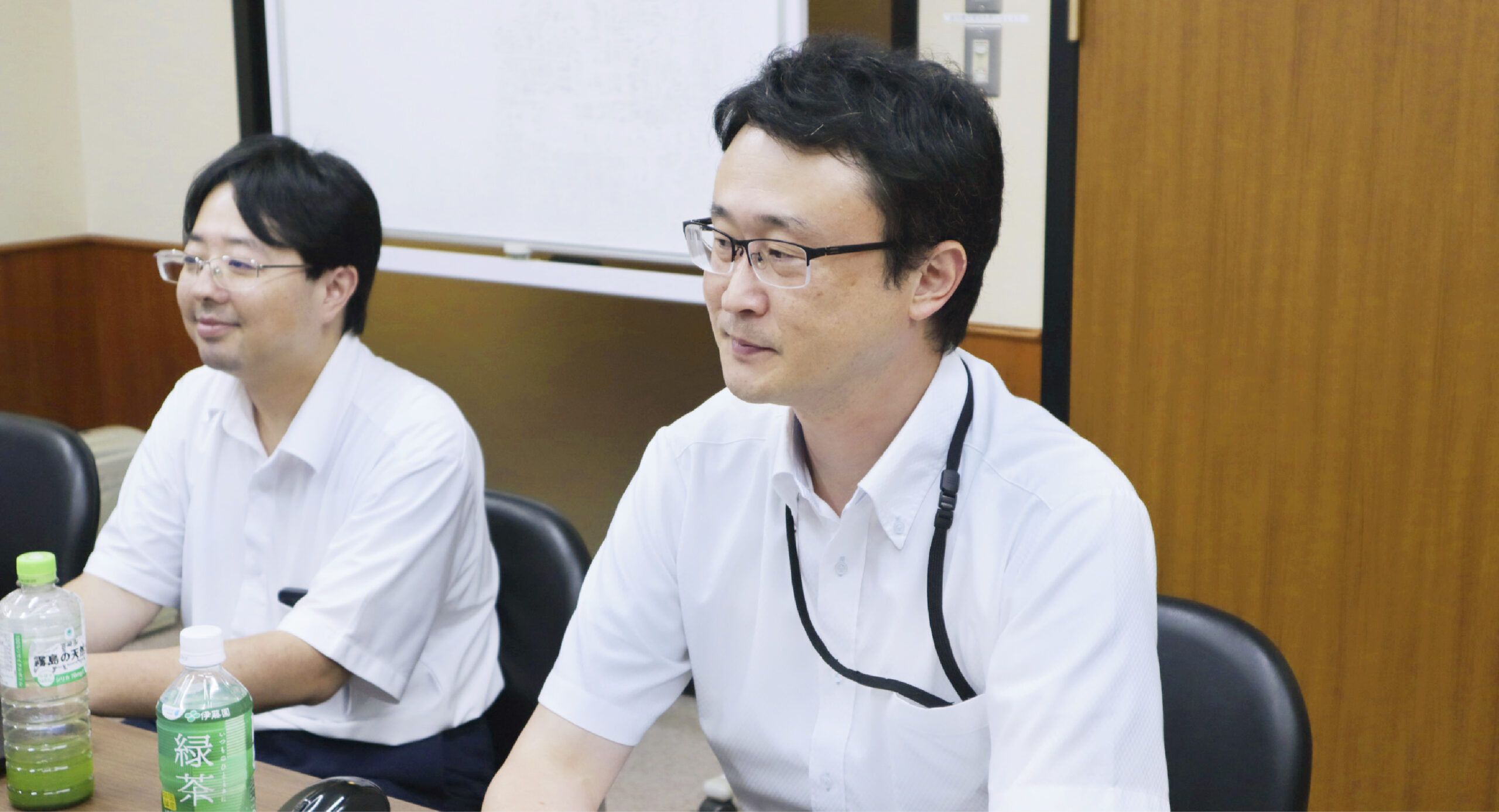
Could you offer some advice for companies that find it difficult to grasp the actual situation at their overseas subsidiaries or feel that institutional reforms are not progressing smoothly?
Mr. Inutsuka
I believe the greatest value of TMHR’s support this time was that they were able to examine aspects that had become difficult for us to see on our own from an external perspective.
When you’ve been with a company for a long time, it’s hard to feel that something is off about its internal systems or ways of thinking. Even if you try to identify issues internally, there are often cases where you don’t even recognize them as problems in the first place. By bringing TMHR on board this time, we were able to get an objective view of our Thai subsidiary.
However, it’s important not to forget that we shouldn’t simply leave everything to external experts; rather, we should take the challenges and areas for improvement identified from an outside perspective and analyze them ourselves once more. I believe it’s essential to thoroughly examine the issues brought to light by external perspectives and feedback, and to think carefully about “what we need to change going forward.”
Through this assessment, we gained the opportunity to objectively re-examine issues that were invisible to us internally, and I truly feel it was the right decision to engage TMHR. If you’re struggling to identify issues at your company’s overseas locations, why not consider seeking an outside perspective?