
Many of the assumptions organisations relied on when planning talent are no longer holding up.
This article from Bain & Company connects several forces that are changing how organisations think about talent altogether.
Looking at this more closely, four themes become clear:
🔹Talent mobility is becoming more complex
Geopolitics, immigration policies and regional priorities are beginning to influence where companies can hire and where skills can move. Global workforce planning is no longer as predictable as it once was.
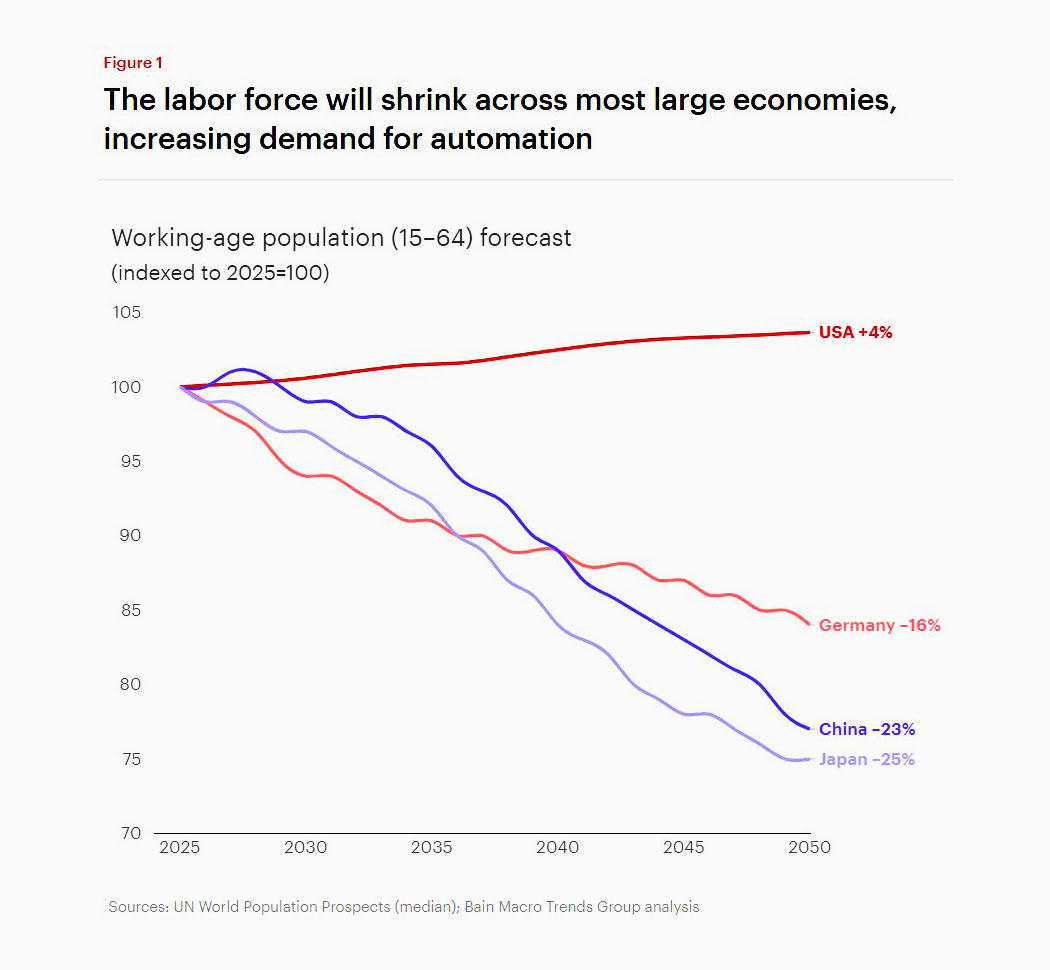
🔹Hiring alone will not solve future capability needs
Demographic decline across major economies means organisations cannot depend on scale hiring. Capability building and automation will need to work together much more closely.
🔹Capital pressure is reshaping HR priorities
Investment in people is being evaluated more carefully. The expectation now is a stronger and more visible link between people strategy and business performance.
🔹 The way work is organised continues to evolve
Hybrid work, distributed teams and digital collaboration are expanding access to talent, but they are also forcing organisations to rethink leadership development, culture and long-term workforce design.
What this really points to is a broader change in the CHRO role.
Less focus on managing the workforce as it exists today. More focus on designing the workforce the business will need in the future.
The organisations that recognise this early will adapt, and build a much stronger long-term advantage.