
We are entering a labour market defined by tension, not stability.
Flexibility is rising, while regulation makes it harder to deliver. Portfolio careers are becoming mainstream, especially among younger workers.
AI is shifting from productivity boost to real job displacement. Yet only a quarter of employees receive formal AI training. And global talent mobility is tightening just as skills shortages deepen.
The real risk is not technology. It’s leadership drift.
Employees already save hours a day using AI. Without direction, that time evaporates. Inclusion briefly lost momentum, yet evidence continues to show it drives performance. Careers are fragmenting, but most organisations still run talent systems built for linear paths.
This article by IMD makes a practical case for 2026:
– Build structural flexibility into talent models.
– Treat inclusion as economic strategy, not branding.
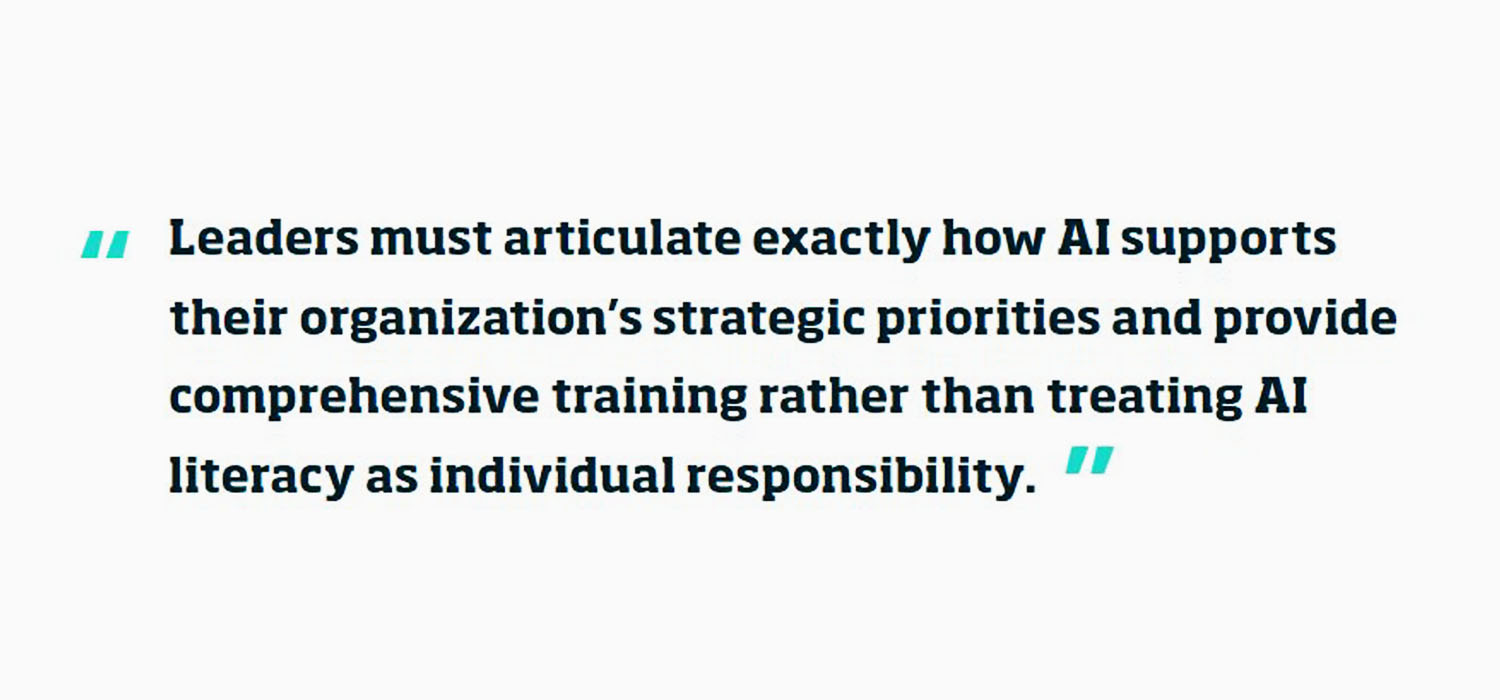
– Own workforce AI education instead of outsourcing it to individuals.
– Push for smarter global talent pathways.
The future of work is already here. The advantage now comes from clarity, capability, and deliberate investment in people.