
CASE
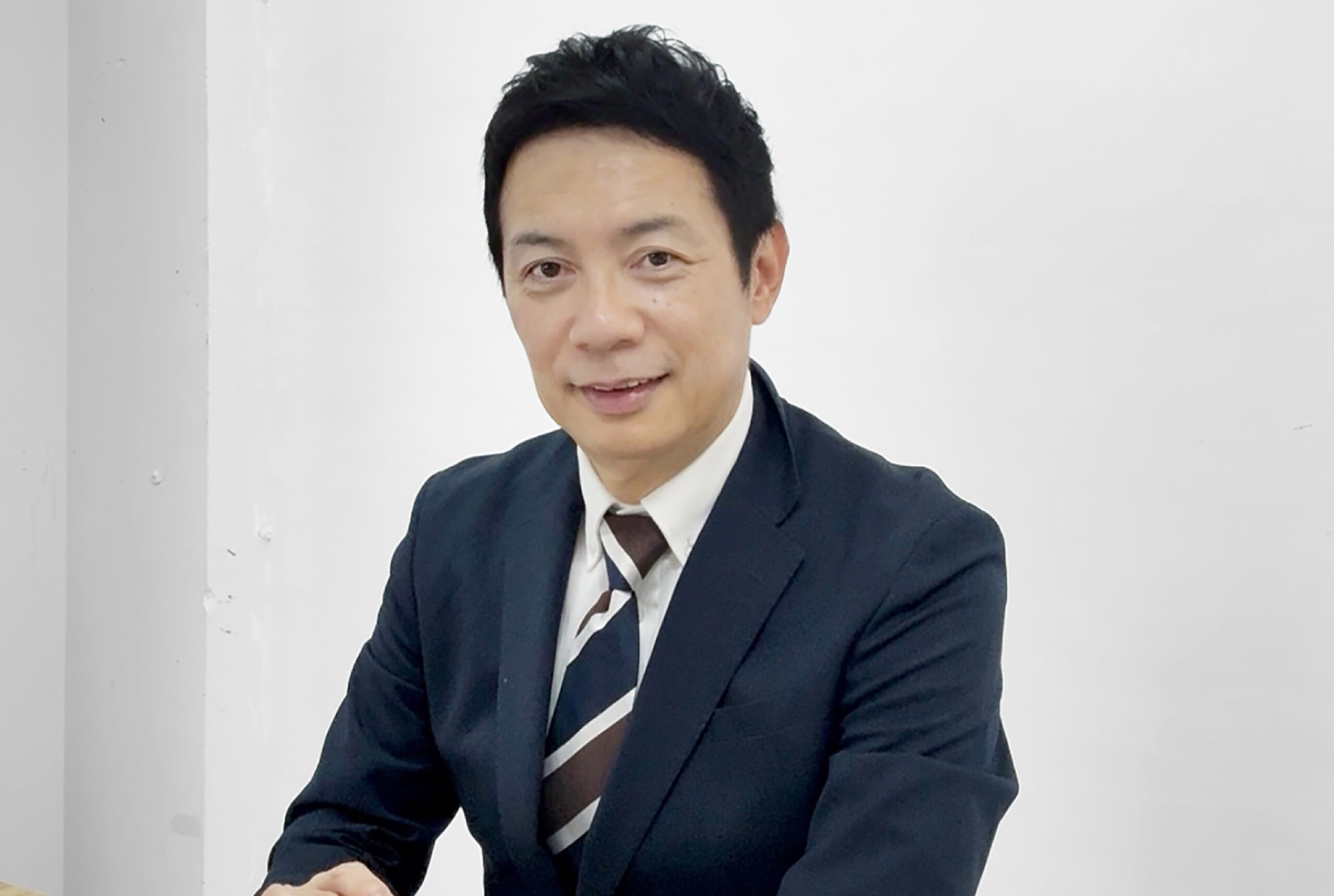
Mr. H.T. [Career coaching for all generations] Project Duration:12 months

I built my career by being true to myself, leveraging my coach’s in-depth knowledge and experience in hiring practices in both Japan and the U.S.
OVERVIEW
Job hunting abroad or upon returning to Japan from overseas involves many differences—not only in language and culture but also in self-analysis, understanding companies, and preparing application materials. In particular, HR systems and hiring cultures differ between the U.S. and Japan, and many people struggle with how to best convey their experience and strengths.
Mr. H.T. utilized our career coaching services during his job search in the U.S. and subsequently when relocating to Japan.
We provided comprehensive support—from self-analysis to resume and cover letter preparation, company research, and interview coaching—to help him achieve his global career goals.
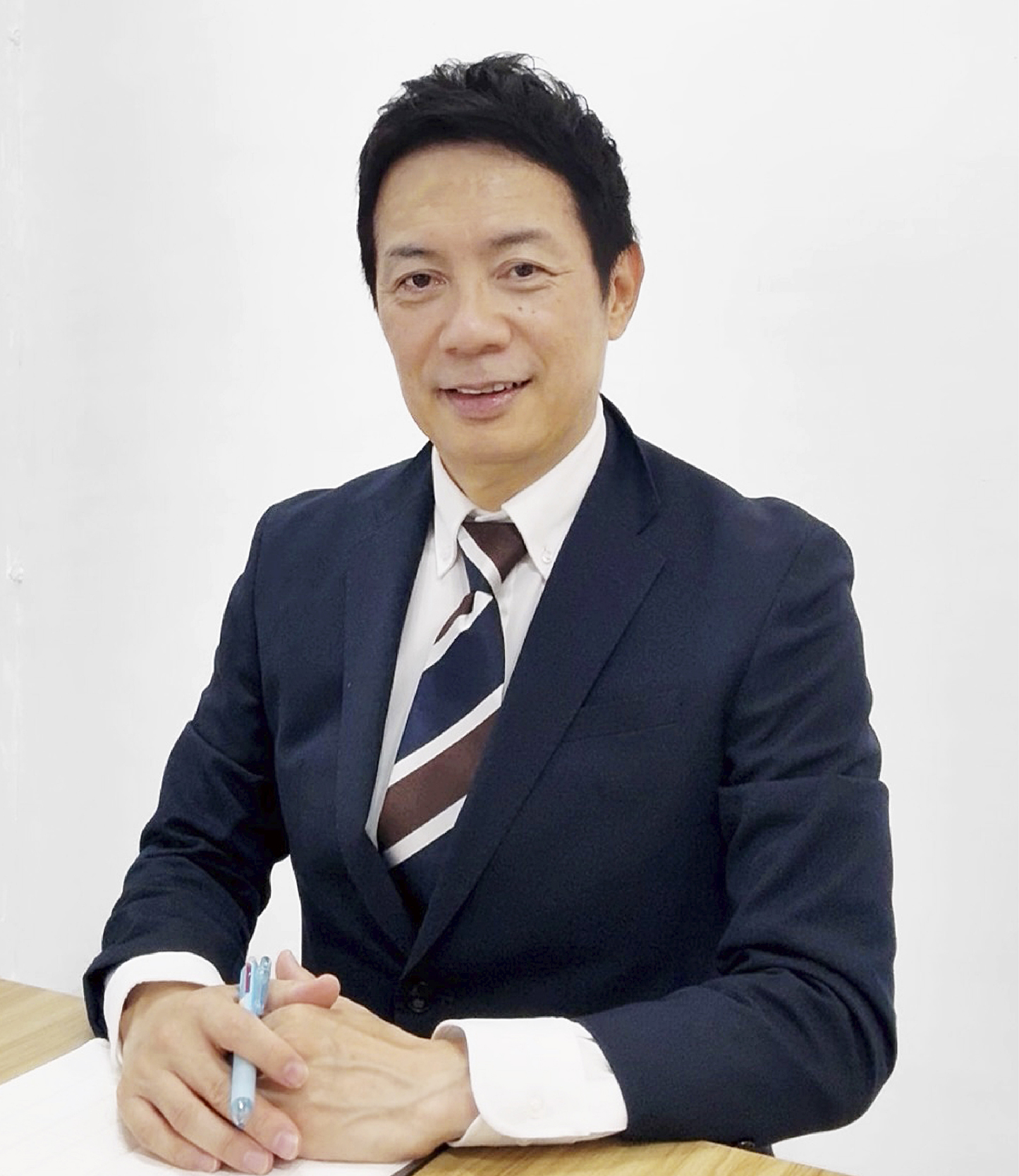
H.T. Manager, International Affairs Office, University in Tokyo
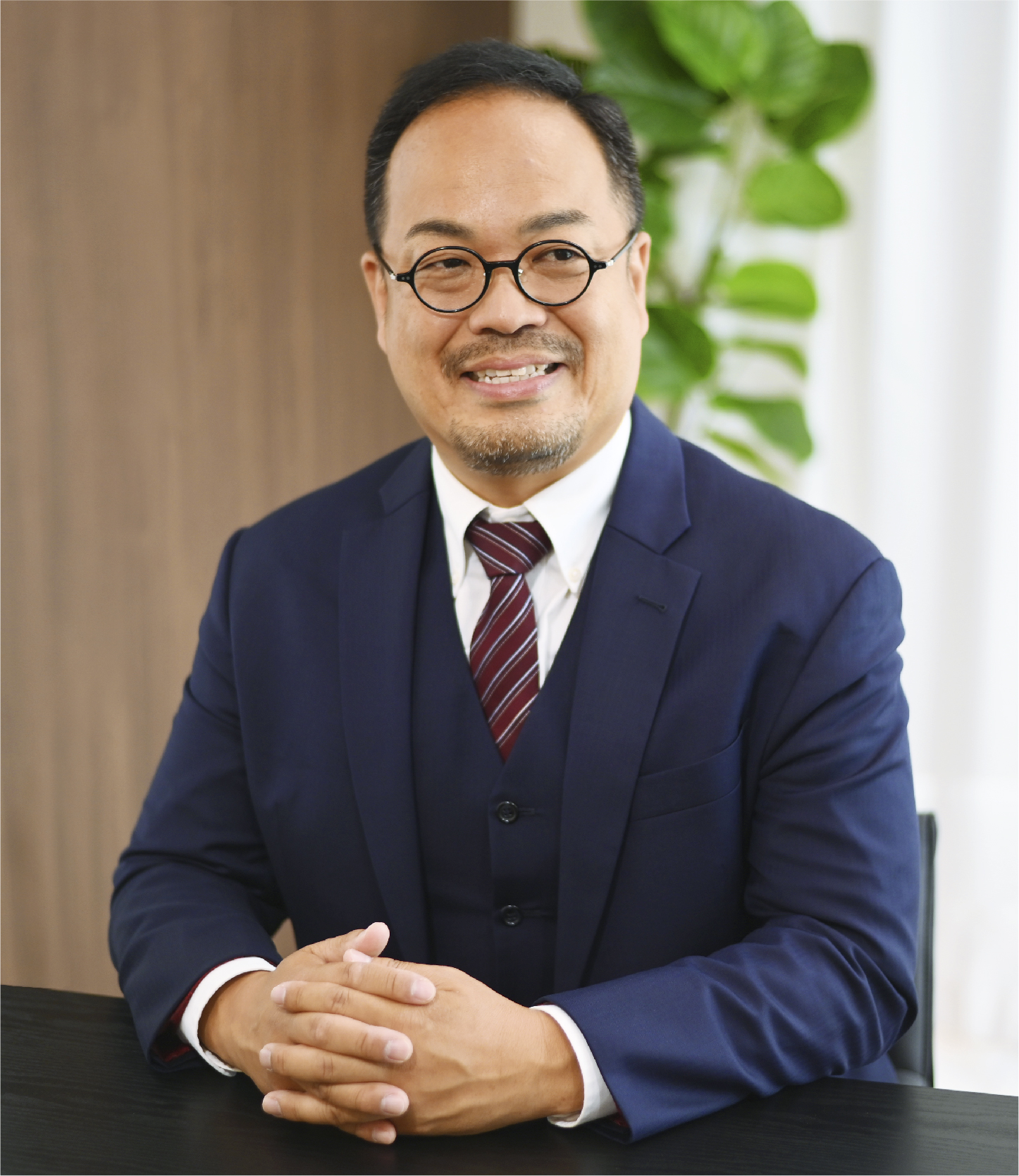
Tomohiro Minami CEO, TMHR Advisory & Coaching LLC
CHAPTER 01
Decided to delve deeper into self-analysis following a job change within the U.S.
First, please introduce yourself.
Mr. H.T.
After graduating from a Japanese university, I went on to graduate school in the U.S. and subsequently found employment there.
To date, I have gained experience in various industries, including education, finance, and the nonprofit sector, where I have managed both Japanese and foreign subordinates and worked with Japanese and global companies.
I have now returned to Japan and am working at an educational institution.
We first met when you requested career coaching while changing jobs in the U.S., didn’t we? What challenges were you facing at the time?
Mr. H.T.
It was during the time of the Lehman Shock, and the financial institution I was working for was closing its office, so I began thinking about my next career move. As I proceeded with my job search in the U.S., I realized that my self-analysis was insufficient.
I struggled with the fact that when I tried to analyze myself on my own, my perspective inevitably became biased toward my own point of view. On the other hand, since interviewers were third parties, I felt I needed someone to view me from a perspective closer to that of an interviewer.
So, I decided to start by conducting a thorough self-analysis and asked Mr. Minami (Tom) to coach me.
CHAPTER 02
Comprehensive self-analysis and resume improvements led to a successful job transition.
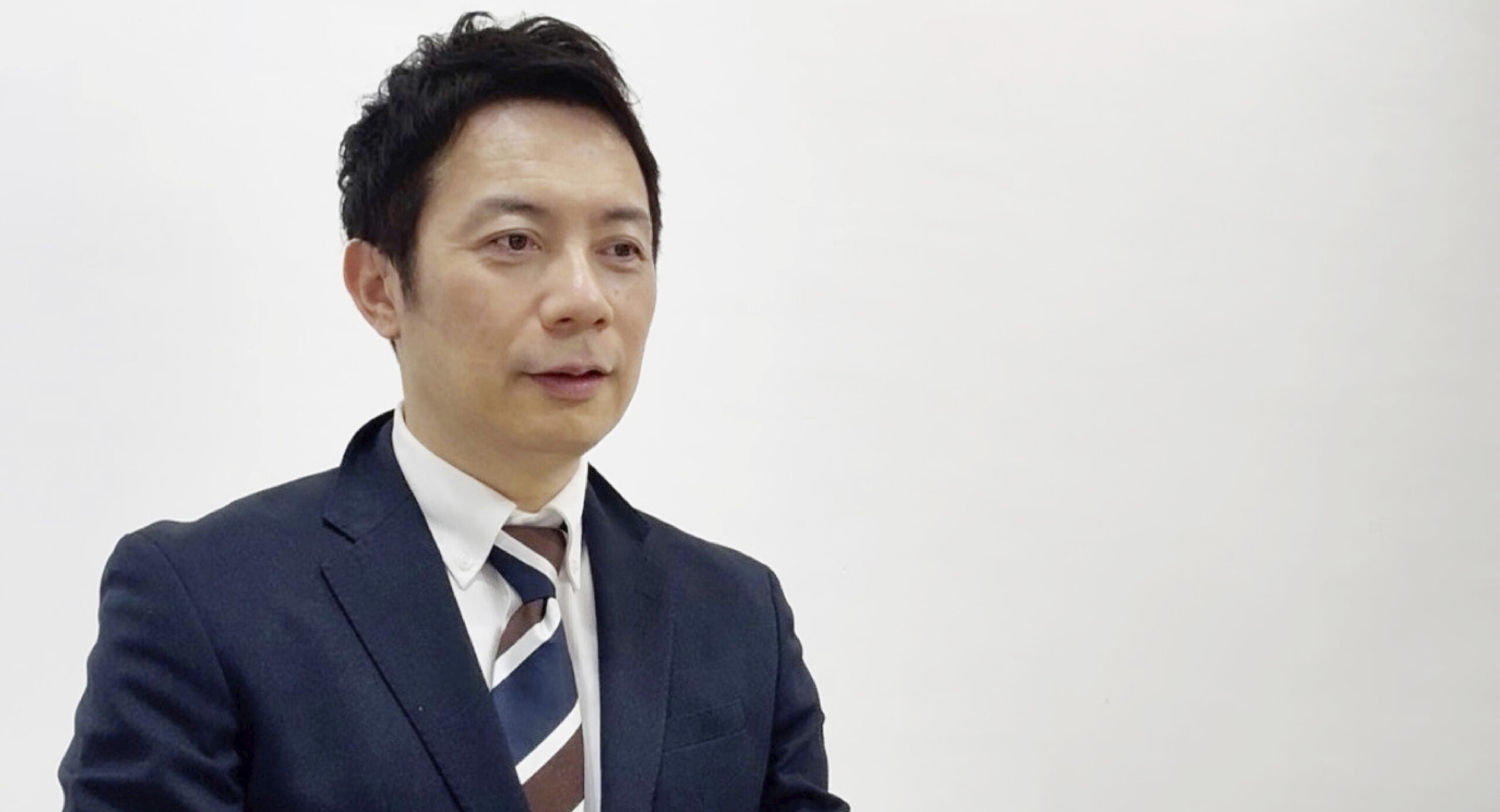
What results did you achieve through career coaching focused on changing jobs within the U.S.?
Mr. H.T.
Due to the financial crisis, there were few job openings in the U.S. at the time, and my job search was difficult at times. However, I ultimately received an offer from one of the major financial institutions I had hoped to join, and I was able to make the career move.
I believe the career coaching lasted about six months. Even when I received rejection letters from companies and things weren’t going well, I received continuous support from Tom.
What aspects of career coaching did you find most beneficial?
Mr. H.T.
A major benefit was that career coaching helped me deepen my self-analysis and view myself from multiple perspectives.
In Japan, there is a culture that tends to value “consistent, diligent effort,” but that doesn’t work overseas. I believe you can’t create a good resume unless you analyze yourself from multiple perspectives—including culture and ethnicity—rather than just a single viewpoint.
In Tom’s career coaching sessions, we refined my resume through repeated cycles of self-analysis and company research. I was also very grateful when Tom pointed out that experiences I had taken for granted could be listed as achievements on my resume, encouraging me to highlight them.
I believe that being able to objectively organize the work I’ve done so far and learn how to market myself effectively was key to my successful job transition.
In terms of supporting career transitions overseas, what do you think are the unique strengths of Tom’s coaching?
Mr. H.T.
The biggest strength is that Tom is well-versed in HR practices in both Japan and the U.S.
Tom studied human resources at a graduate school in the United States and understands the differences between Japanese and American hiring cultures. Based on that understanding, she gave me specific advice on what kind of resume leads to a job offer and how I should present myself.
Thanks to Tom’s experience and insights, I feel she helped me position myself as a “standout candidate in the job market.”
CHAPTER 03
Even when transitioning from the U.S. to Japan, support grounded in an understanding of both Japanese and American hiring practices is a major asset.
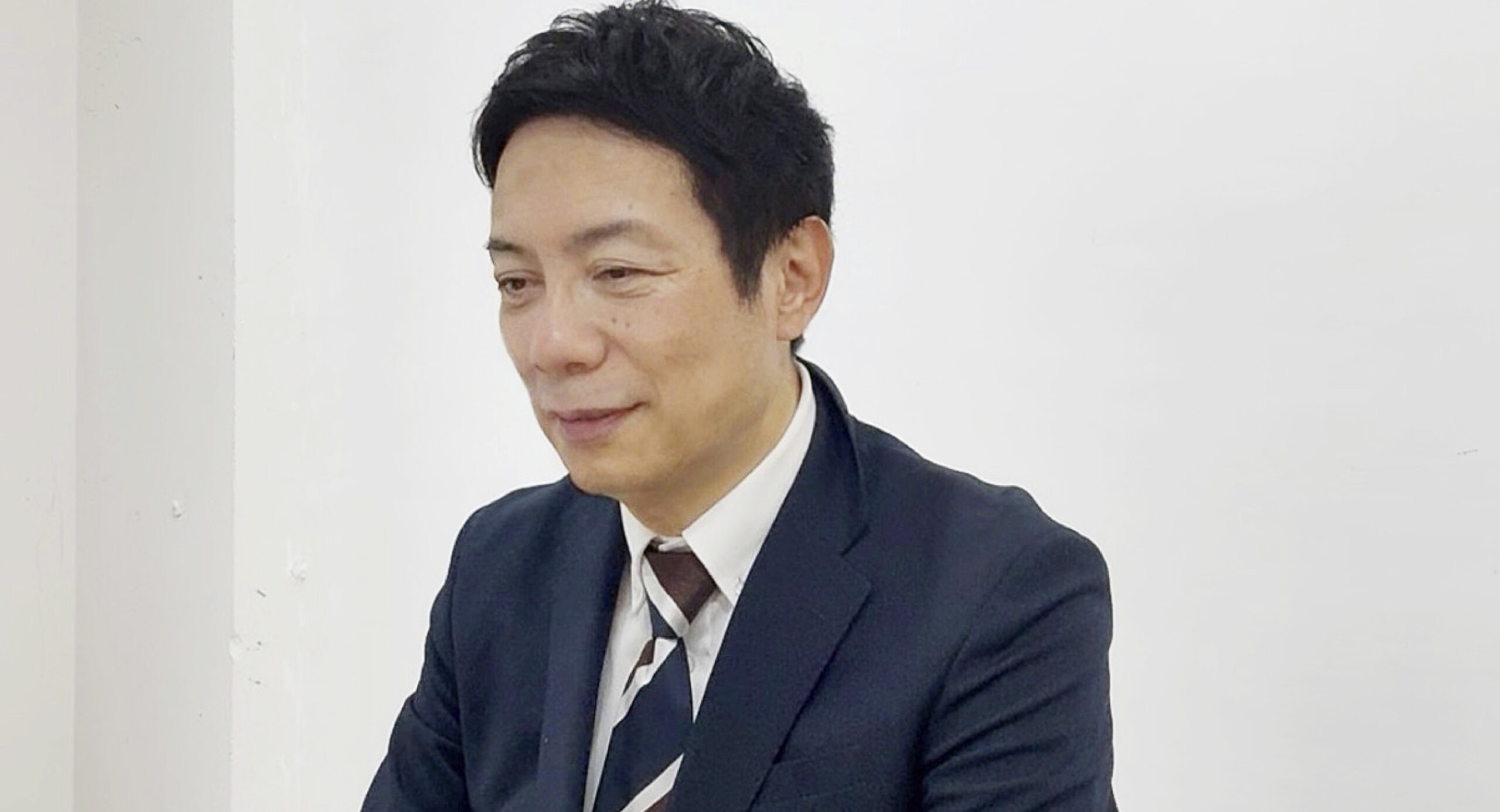
You also requested coaching when you later transitioned to a job in Japan, didn’t you?
Mr. H.T.
I divide my life into four stages. The second stage was in the U.S., but when I reached my mid-40s and entered my 50s—the third stage—I began to wonder how I wanted to live the rest of my life. I found myself unsure whether that meant staying in the U.S. or returning to Japan.
At the time, I was approaching my mid-40s, and through my coaching sessions with Tom, I developed a desire to “make a difference at a Japanese company” and “fully utilize the career I’ve built so far, for Japan” as the next stage of my life.
However, having worked for a long time at an American company and spent so much time away from Japan, I had lost touch with the job market and hiring culture there. So, I consulted with Tom again—who is well-versed in both Japanese and American business environments—and decided to proceed with my job search for a Japanese company while still in the U.S.
What aspects of our support for your job search in Japan do you think were most helpful?
Mr. H.T.
When I first started my job search in Japan, I was very confused because I didn’t know how to write a Japanese resume and work history, which have a completely different format from those used overseas.
The job history section, in particular, allows for a great deal of flexibility, so I was really feeling my way through what to include and how to present it. It was a huge help that Tom provided such thorough guidance, starting with the basics of document preparation.
Additionally, during the company analysis phase, Tom supported me right down to the details, such as explaining the specific characteristics of each company, and I was very grateful for this assistance. Having lived overseas for a long time, I had lost touch with information about Japanese companies, so Tom’s objective advice was extremely helpful.
Furthermore, regarding the coaching process, Tom did not push me too hard; instead, he accompanied me step by step, saying, “Once we’ve covered this much, let’s move on to the next step,” while taking my situation into account. I really appreciated being able to proceed at my own pace without feeling rushed.
CHAPTER 04
Career coaching tailored to your life stage, helping you make career choices that are true to yourself.
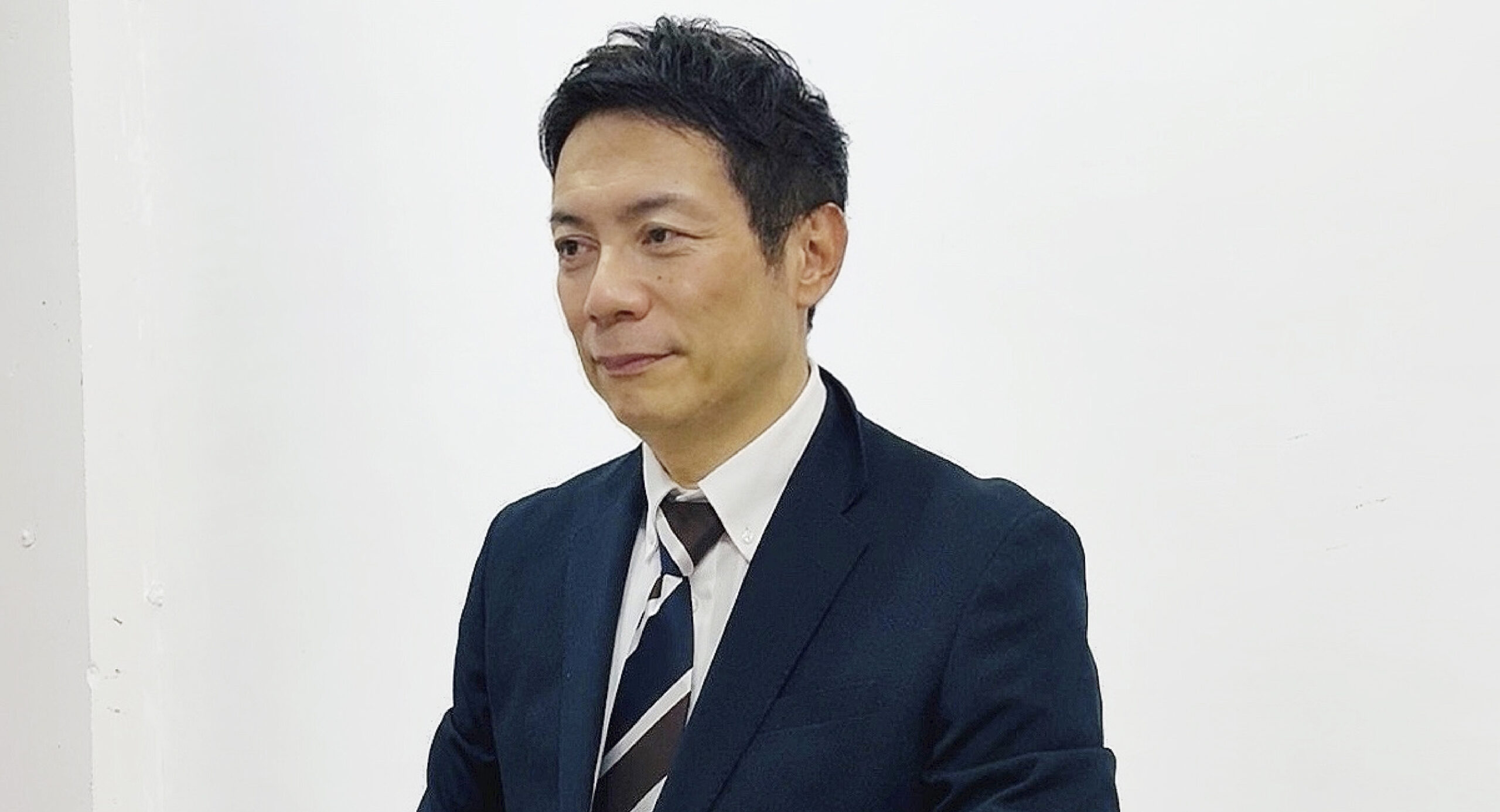
What results did you achieve by receiving support for your career transition from overseas to Japan?
Mr. H.T.
While still in the U.S., I proceeded with activities such as applying to companies and conducting interviews online, and as a result, I was able to successfully transition to the Japanese company I had hoped for.
Since I was changing jobs around the age of 50, the process was not easy, but I believe it was crucial that I was able to organize my strengths and experiences through extensive self-analysis while receiving long-term career coaching from Tom.
I believe a major factor in my successful job change was that I had organized my information to the point where I could provide concrete examples based on my own experience, no matter what I was asked during the interview.
Finally, could you share a message for people working abroad, particularly those struggling with their career development?
Mr. H.T.
I believe life consists of several stages. In my case, after building my career in the U.S., I felt a growing desire to “put my experience to use in Japan,” which led me to pursue a cross-border job search.
When job hunting, it’s inevitable to feel uncertainty and anxiety. At times like that, having a career coach who can objectively assess your situation as a third party and offer advice is truly reassuring. Whether you’re hoping to find a job overseas or are considering returning to your home country, I recommend not keeping your concerns to yourself but utilizing every available resource, including career coaching.
In that context, consulting with a coach like Tom, who understands both Japanese and international HR practices and work cultures, will surely be a great source of support.