
CASE
JCB Co., Ltd. [Finance] Project Duration:2 months
To improve service quality at overseas JCB Plaza Lounge locations, we began visualizing the skills required of staff and building a development framework
OVERVIEW
Many companies with overseas subsidiaries operate under a HR scheme where recruitment and training are conducted on a local subsidiary basis. As a result, the companies cite inconsistencies in staff skills and service quality as a key challenge.
JCB Co., Ltd. reviewed its standards for staff development in Plaza Lounge operations at overseas subsidiaries through cross-country workshop and worked to visualize the ideal state of employee and required skills.
We supported organizing a global common skills map and training framework for Plaza Lounge operations by designing and facilitating workshops for overseas Plaza Lounge members.
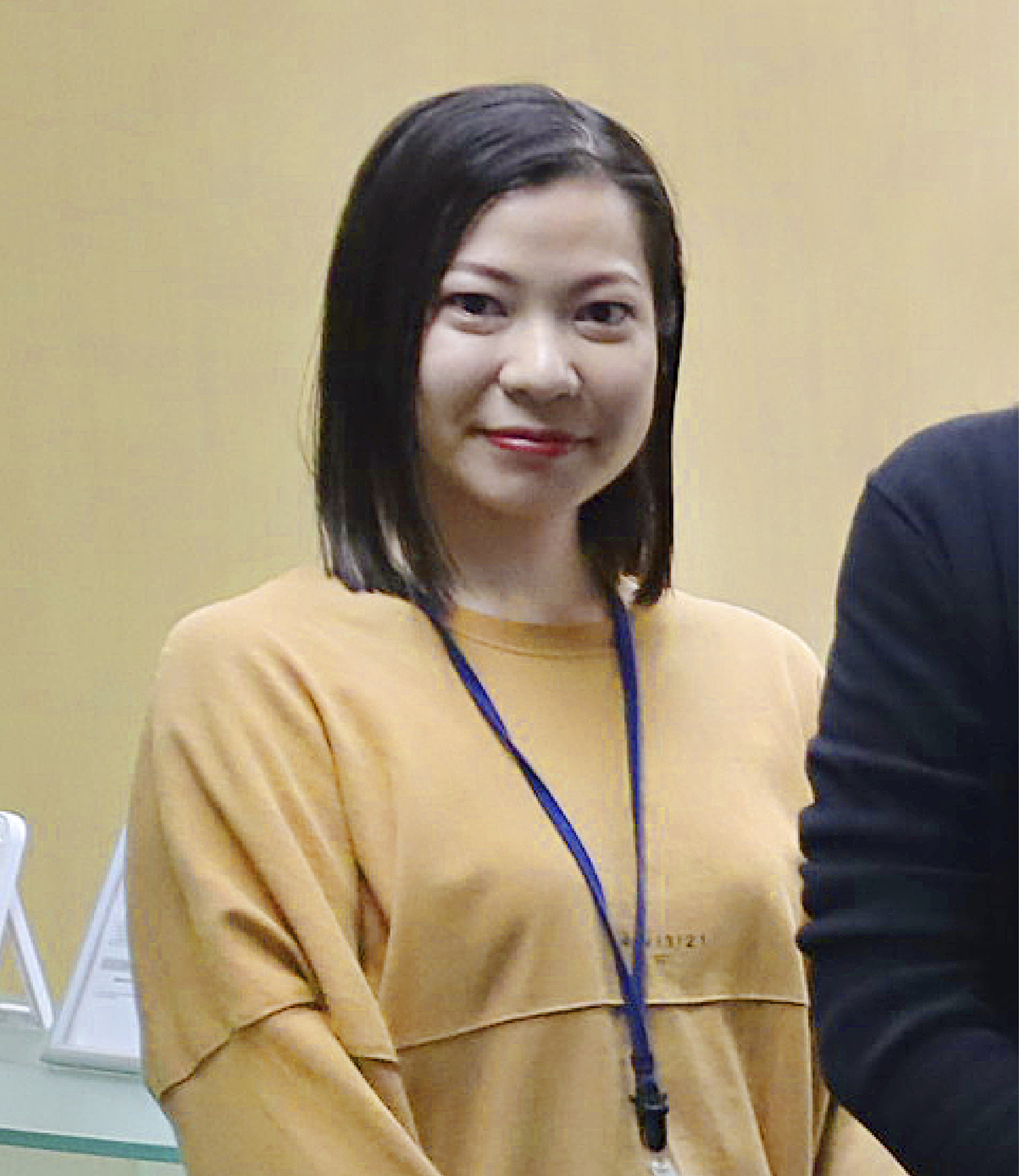
Erika Watanabe Vice President, Channel Promotion Group, Brand Marketing Department
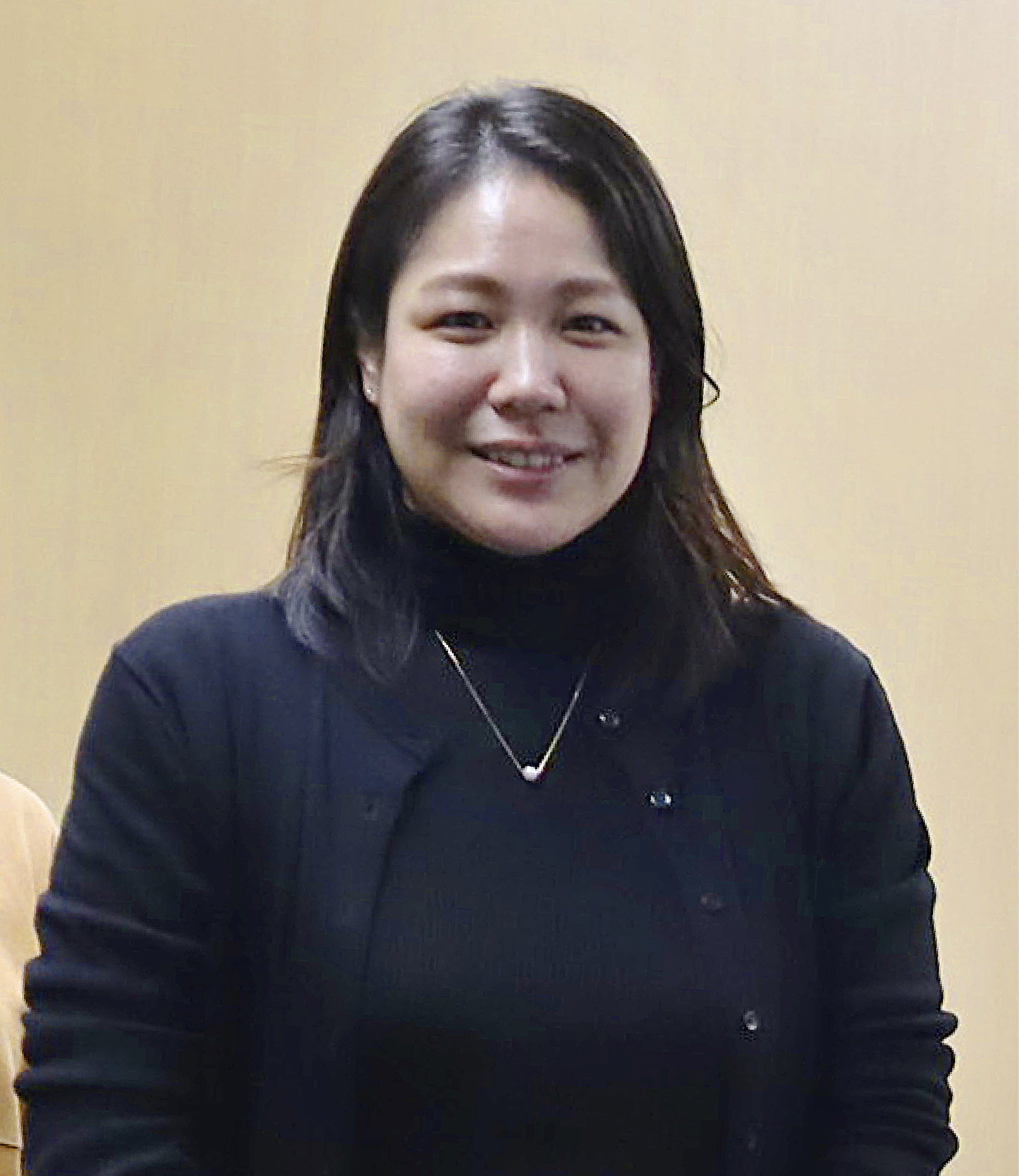
Aoi Hirata Channel Promotion Group, Brand Marketing Department
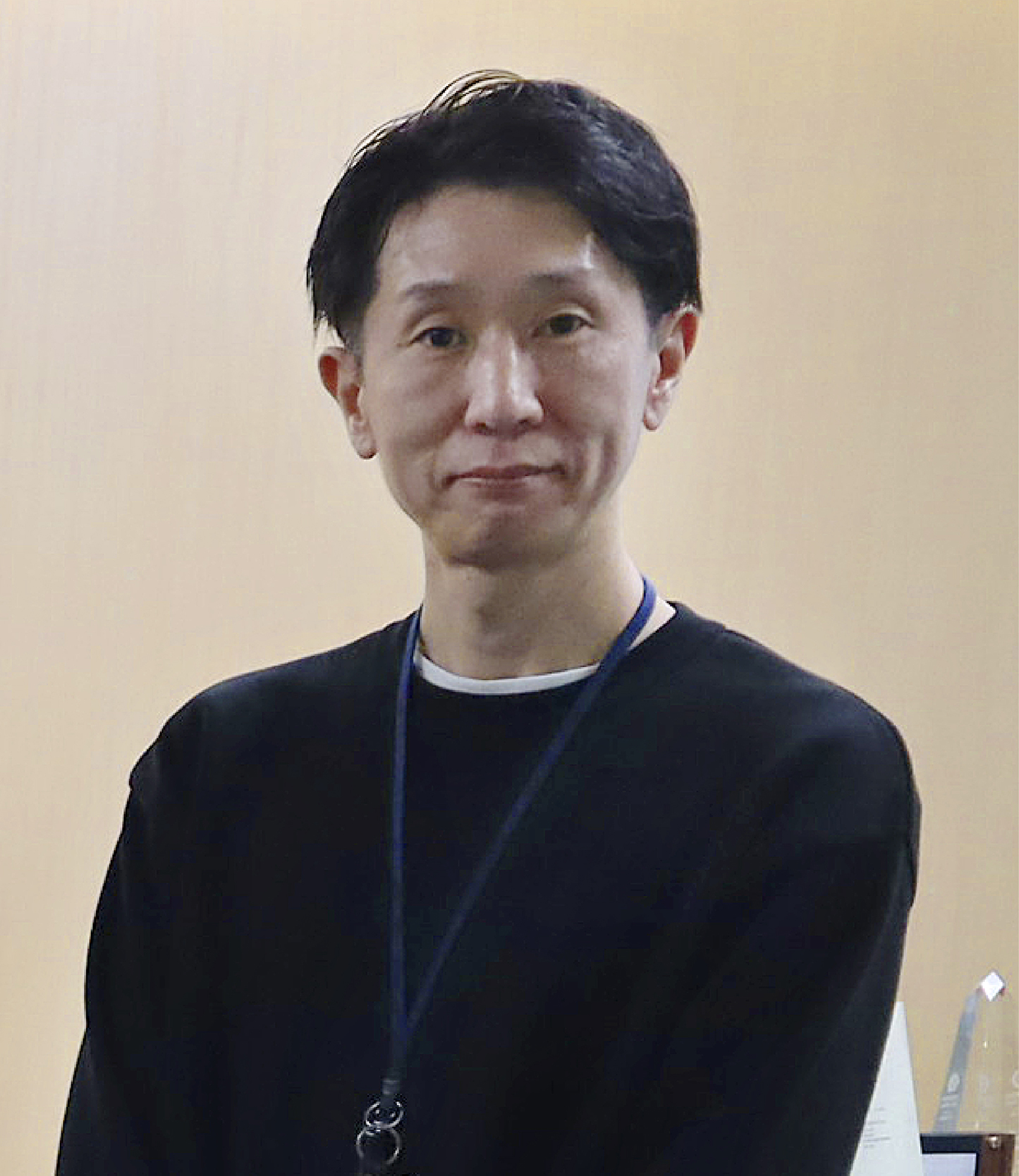
Takahiro Okamura Senior Vice President, Channel Promotion Group, Brand Marketing Department
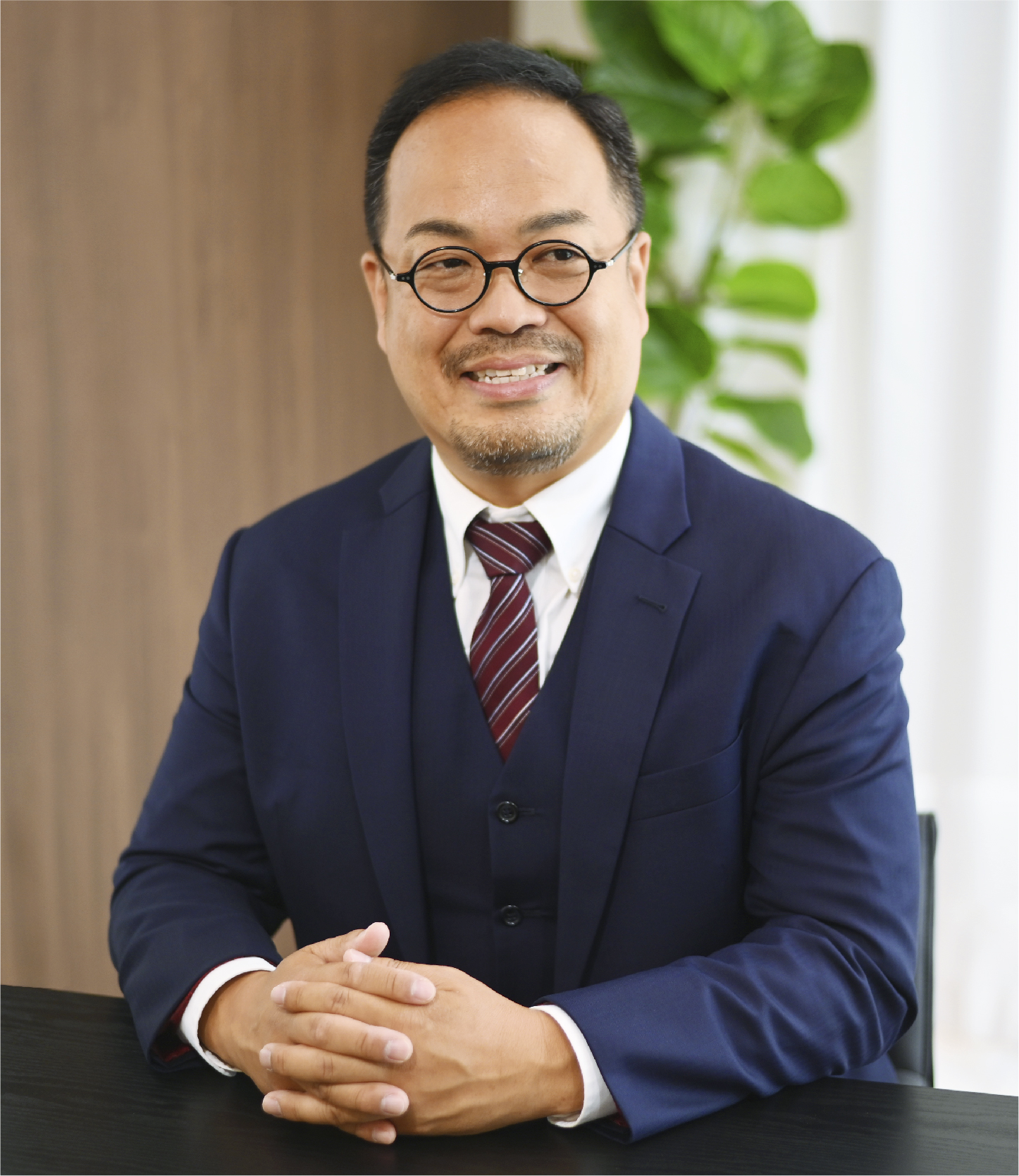
Tomohiro Minami CEO, TMHR Advisory & Coaching LLC
CHAPTER 01
Visualizing Required Skills to Eliminate Variations Across Locations
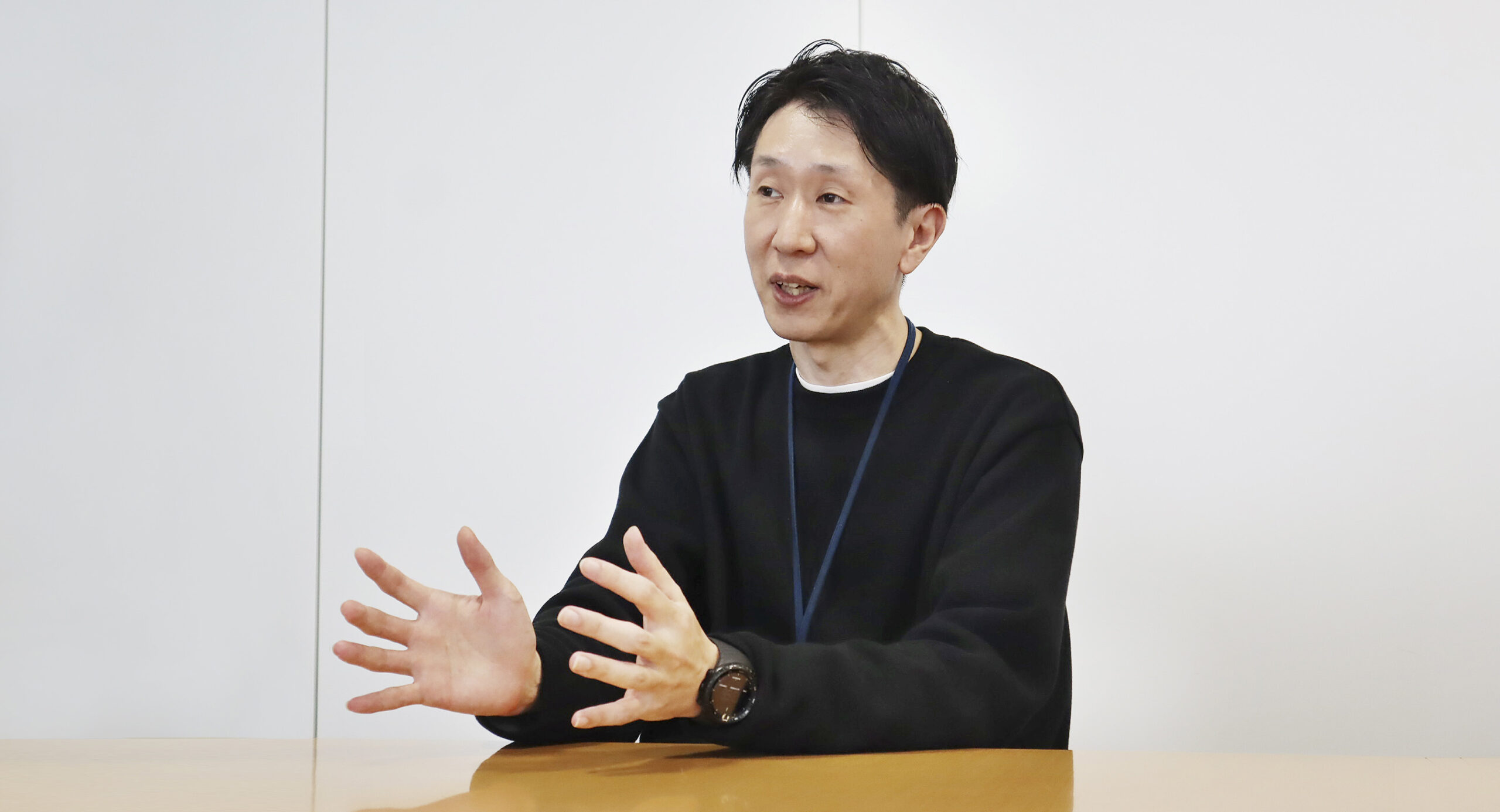
Could you tell us about the background behind holding this workshop for overseas Plaza Lounge members?
Mr. Okamura
Prior to holding this workshop, we conducted interviews with each subsidiary.
While our overseas subsidiaries have consistently maintained a high level of service quality, because each subsidiary operates its own recruitment and training systems, there were some differences in the skills required and training philosophies.
We believed that to maintain and improve service quality going forward, it was necessary to establish a shared understanding across all subsidiaries and clarify the ideal employee profile and required skills.
It was against this backdrop that we held this workshop.
This time, we placed strong emphasis on ensuring that each subsidiary could take back outputs that could be applied to their daily work.
During these discussions, the idea that “organizing skill maps and training frameworks would be effective” emerged, which led to the launch of this project.
What challenges did you encounter as the project progressed?
Mr. Okamura
“The project began with us not even knowing where to start—we didn’t know who to ask to organize the skill maps and training framework.”
We couldn’t visualize how we could actually bring this to fruition within the limited time, nor could we figure out how to organize the required skills given the different cultures at each subsidiary.
If we had tried to plan and conduct the workshop entirely in-house, I think we would have remained in a state of trial and error. However, with TMHR’s support, the process became clear, and we were able to successfully conduct and complete the workshop.
CHAPTER 02
The key factors were TMHR’s deep understanding of JCB’s challenges and their facilitation skills in drawing out and giving shape to the voices of the members of the workshop.
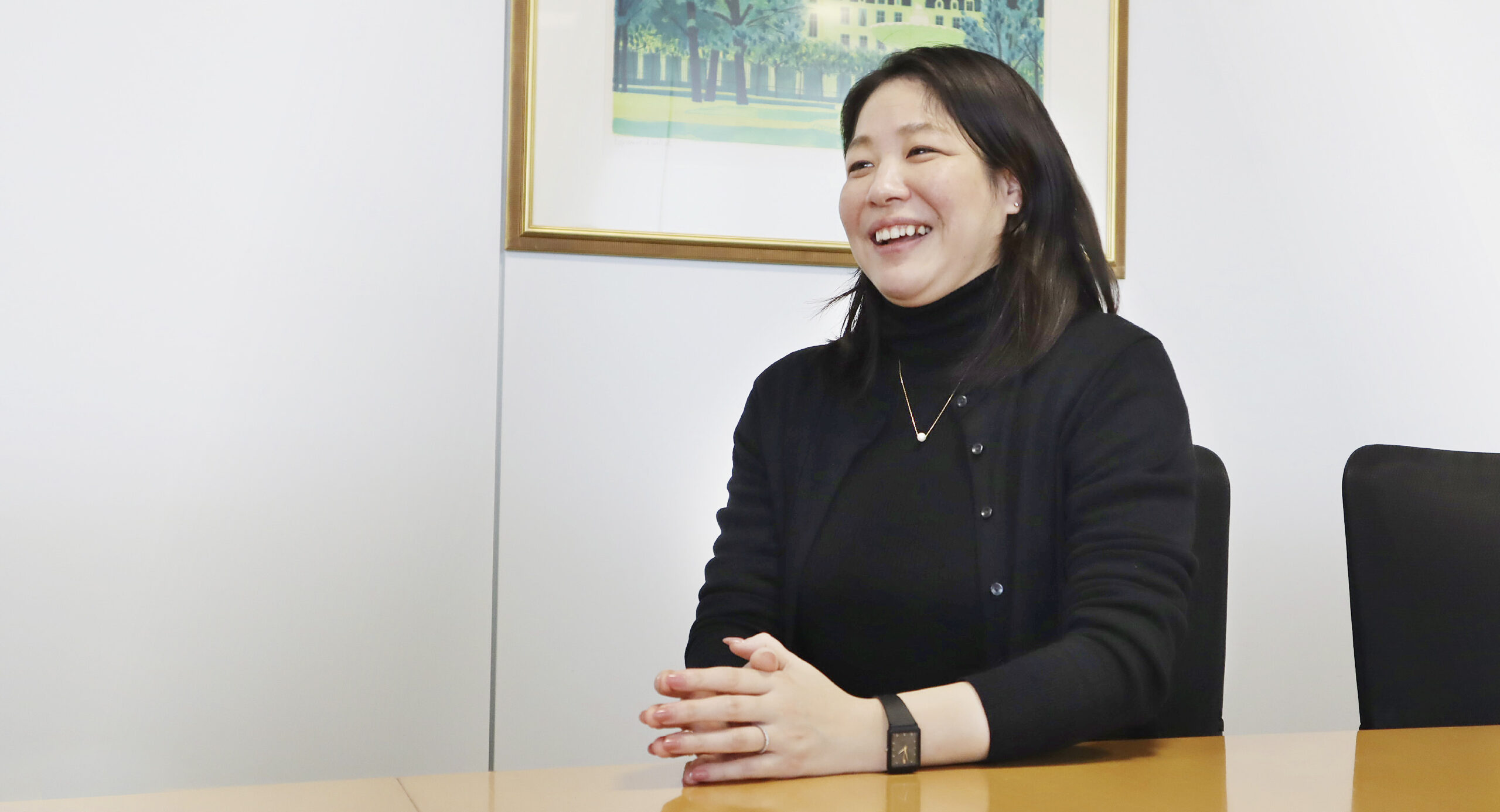
Please tell us why you chose TMHR as a partner.
Ms. Hirata
Since this was our first time conducting a workshop like this, I was worried about whether we could actually pull it off.
However, I felt reassured because Mr. Minami had a bunch of experience which is supporting our company and truly understood our business. Additionally, his extensive knowledge of designing HR systems for companies with overseas operations and his wealth of experience facilitating workshops were decisive factors.
Now that the project is underway, how satisfied are you with it?
Ms. Hirata
Seeing the atmosphere of the workshop on the day itself, I felt, “We successfully chose the best person to do this.”
I was very impressed by how he skillfully drew out each member’s opinions and guided the discussion in a positive direction. I also found it extremely valuable how he organized the scattered opinions and visualized them clearly by summarizing them as, “So, this is what you intend to share.”
By fully incorporating the voices from the members while also organizing the final output, I felt it turned into a highly satisfying workshop.
CHAPTER 03
Talent development rooted in frontline feedback fosters buy-in and drives action.
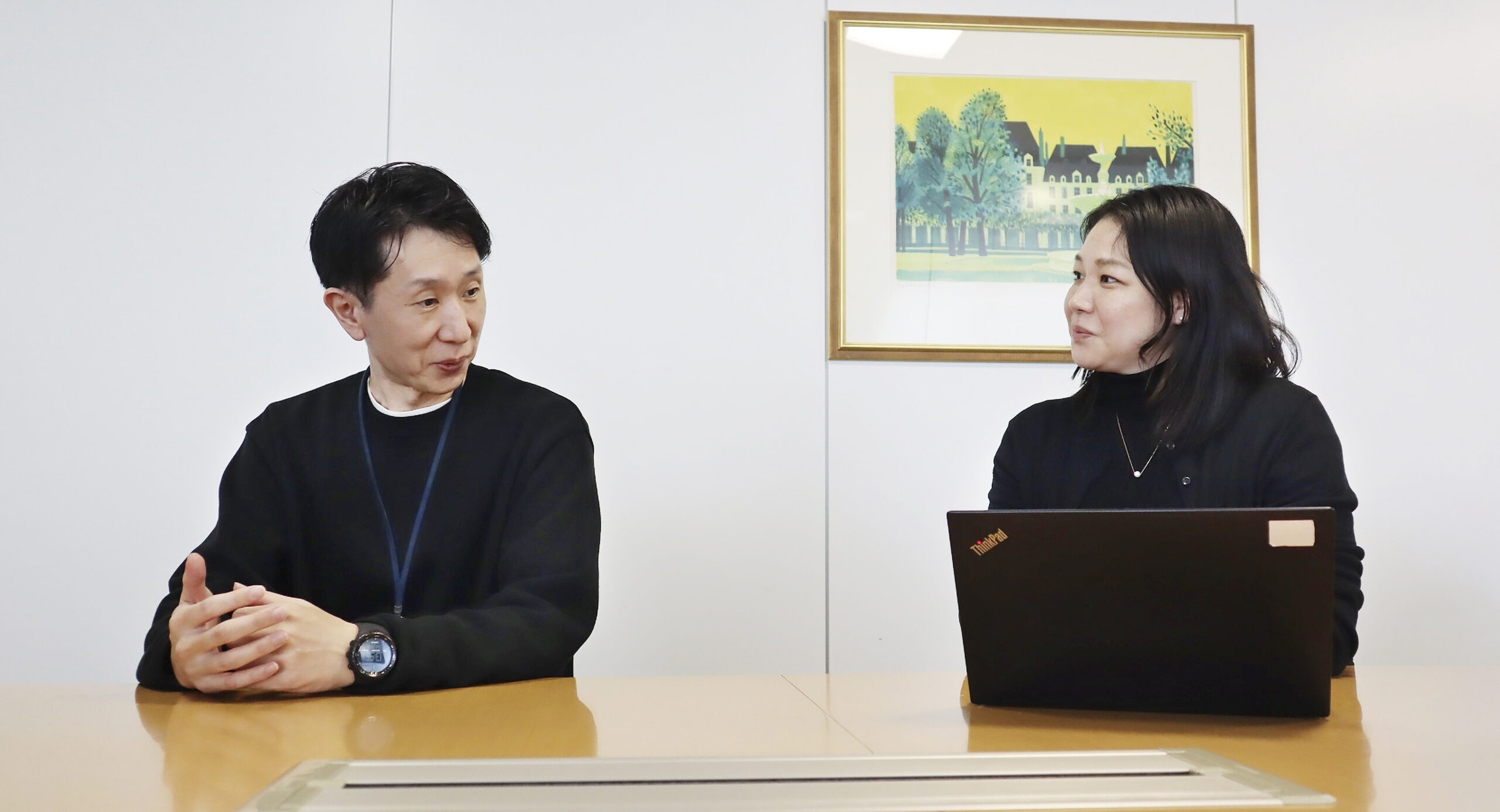
What insights or results did you gain through this initiative?
Mr. Hirata
A major insight for me was realizing once again how important it is to truly listen to the voices from the front lines.
Even if headquarters unilaterally presents a talent development policy, if a gap arises between headquarters and the field, it can be difficult to gain buy-in.
By having members from each subsidiary participate in the workshop and go through the process of creating outputs that reflect their own opinions, we were able to take a meaningful step toward effective recruitment and development. At the same time, each subsidiary was able to take back concrete outputs that they can apply for their day-to-day work.
Could you offer some advice for companies facing challenges with talent development at their overseas subsidiaries?
Mr. Hirata
I think it’s important to have opportunities to thoroughly gather feedback from the front lines. Through that process, I believe we can create a system that goes beyond mere policy design to one that is truly actionable.
Additionally, to achieve results within the limited time available for training, it is crucial to clearly define the objective: “What do we want to achieve here?” Precisely because members with diverse backgrounds come together, I felt it was essential to narrow the focus of discussions and design the training to lead to tangible outcomes.
This initiative served as a crucial opportunity to organize the challenges and policies of each overseas subsidiary, taking the first step toward improving service quality and addressing disparities in staff skills. By visualizing the skills required at each location and establishing a development framework, we aim to further enhance customer value in the future.