
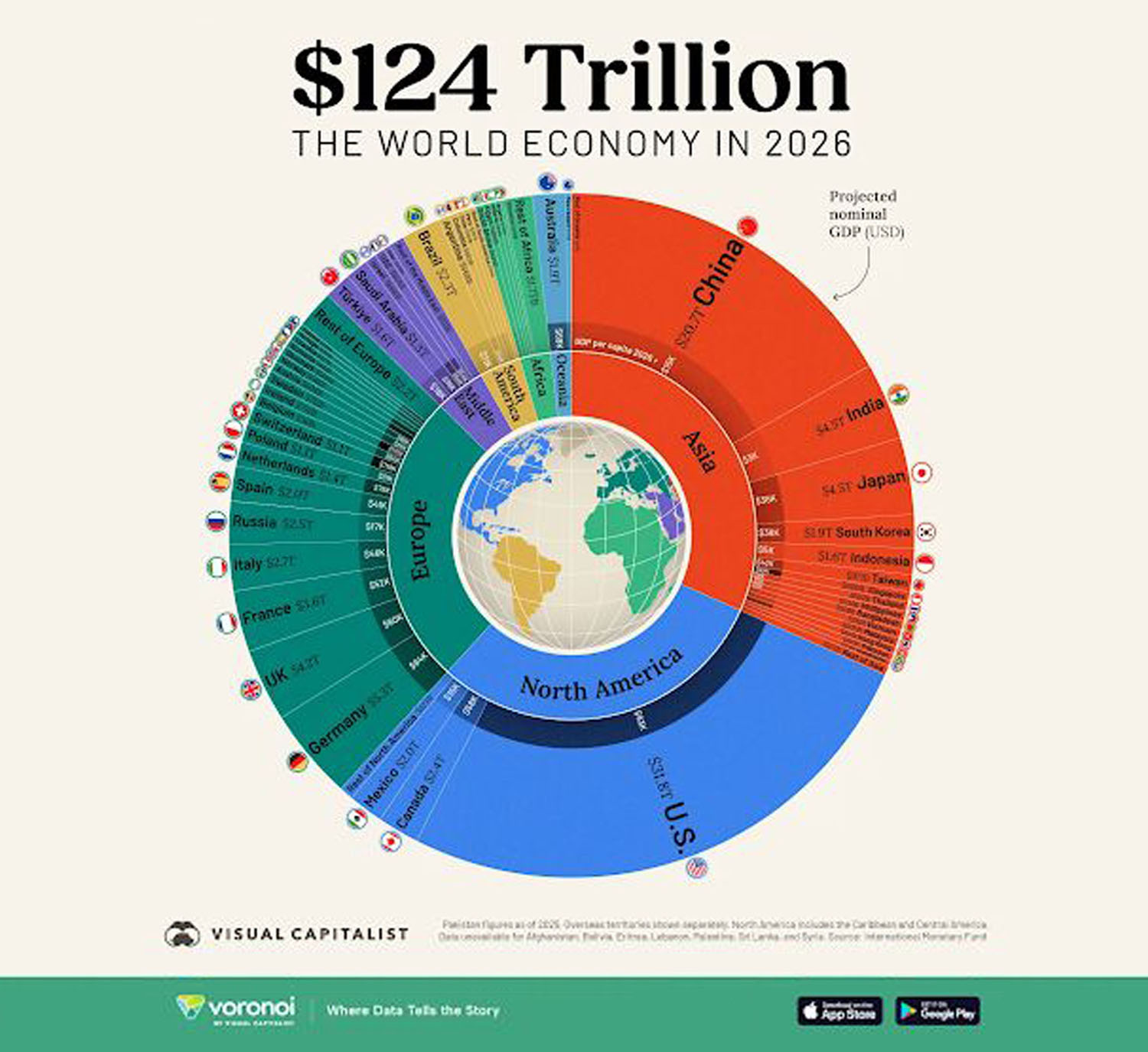
This projection of the global economy puts Japan in a difficult position.
According to the International Monetary Fund’s outlook, Japan is ranked fifth in nominal GDP, after being overtaken by Germany and now India.
The core problem is not a lack of policy effort. Growth strategies have been pursued for years. The issue is that productivity has not risen at the pace needed. As the population continues to shrink, the gap becomes harder to ignore.
When expectations for market growth weaken, companies naturally become cautious. Domestic investment slows. Innovation becomes incremental rather than transformative. Over time, this feeds back into lower labour productivity, creating a cycle that is difficult to break.
Japan still has strong assets. Skilled people, advanced industries and deep organisational capability. But unlocking that potential requires more than macro policy. It demands fundamental changes in how work is designed, how talent is developed and how organisations enable people to contribute at their best.
Economic rankings matter less than whether the underlying system is being renewed. That is where the real work now sits.
Image Credit: Visual Capitalist