
CASE
ONE DEJIMA Co., Ltd. [Outsourcing] Project Duration:3 months

Design and implementation of HR system that contributes to securing top talent and realizing growth strategies, aiming for innovative business operations.
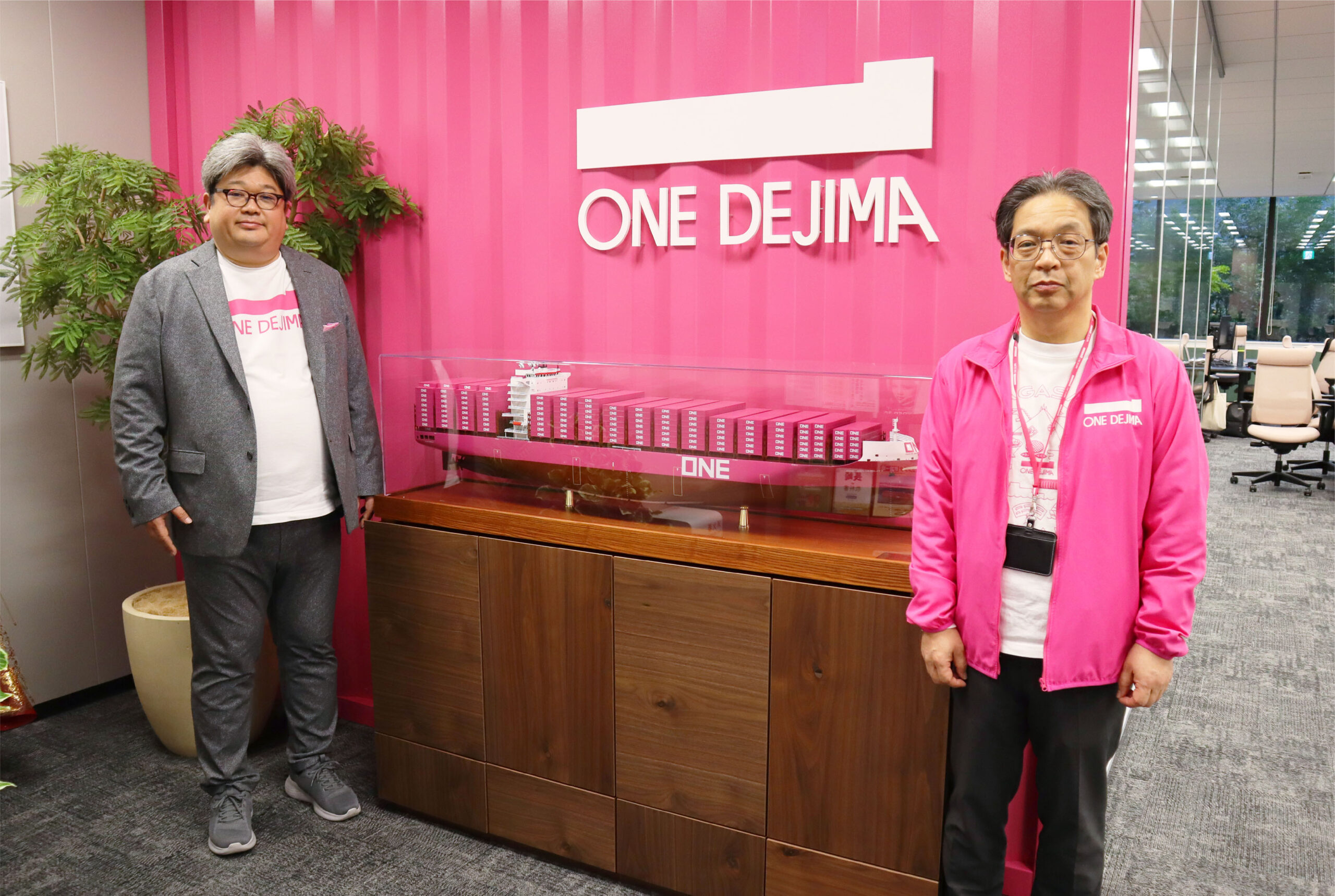
OVERVIEW
Startups, whose presence has grown significantly in recent years, operate their businesses at a decision-making speed entirely different from that of large or mid-sized companies. Meanwhile, their employees include both highly capable individuals who come from large or mid-sized companies and are accustomed to a work style that allows ample time for decision-making, and new graduates who must learn how to work from scratch. Unless the company clearly articulates the values and work methods it expects, it can be difficult to fully leverage the capabilities of the entire workforce.
ONE DEJIMA decided to design and implement HR system that would ensure long-term growth and retention. This system was built to enable all employees—even as the company expanded its workforce from approximately 30 members at the time of system design to over ten times that size within a few years—to understand the company’s expected values and work approaches. Simultaneously, it allows employees to flexibly chart their career paths within the company.
We served as an advisor, reviewing the HR system designed by ONE DEJIMA in collaboration with another consulting firm and providing regular feedback and recommendations to the management team.
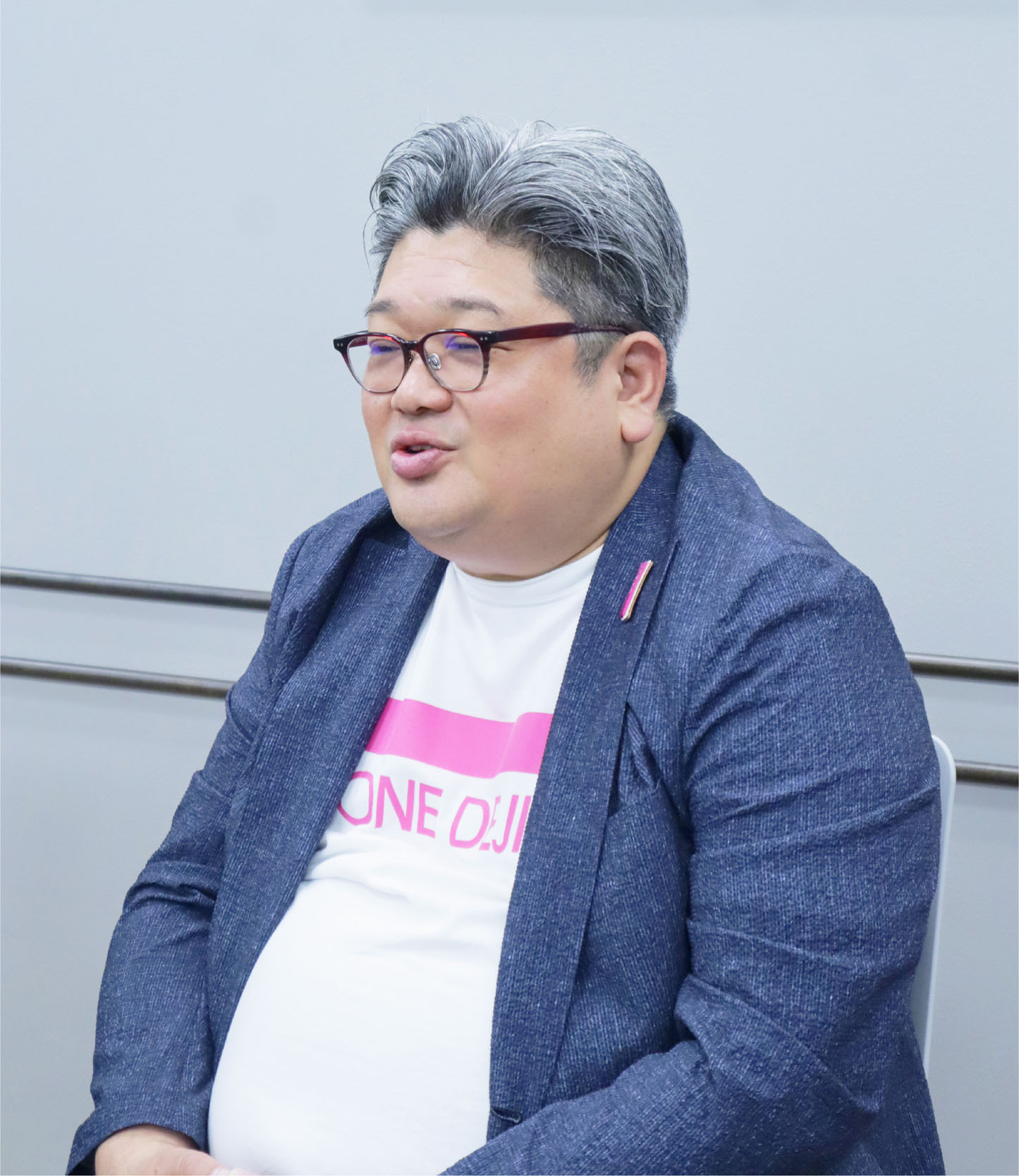
Naoto Toyama Representative Director and President
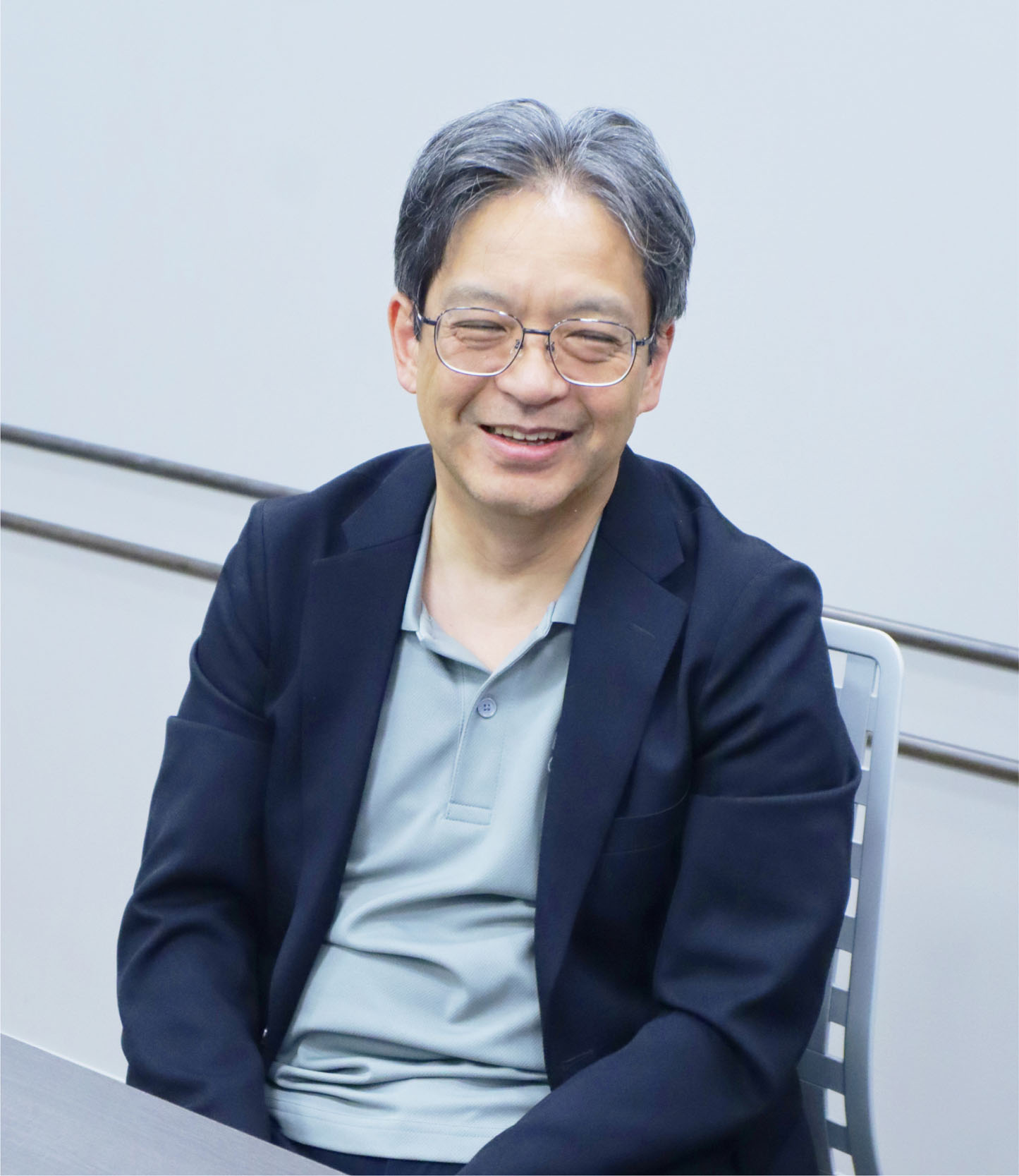
Yoshio Kosasa Representative Senior Managing Director
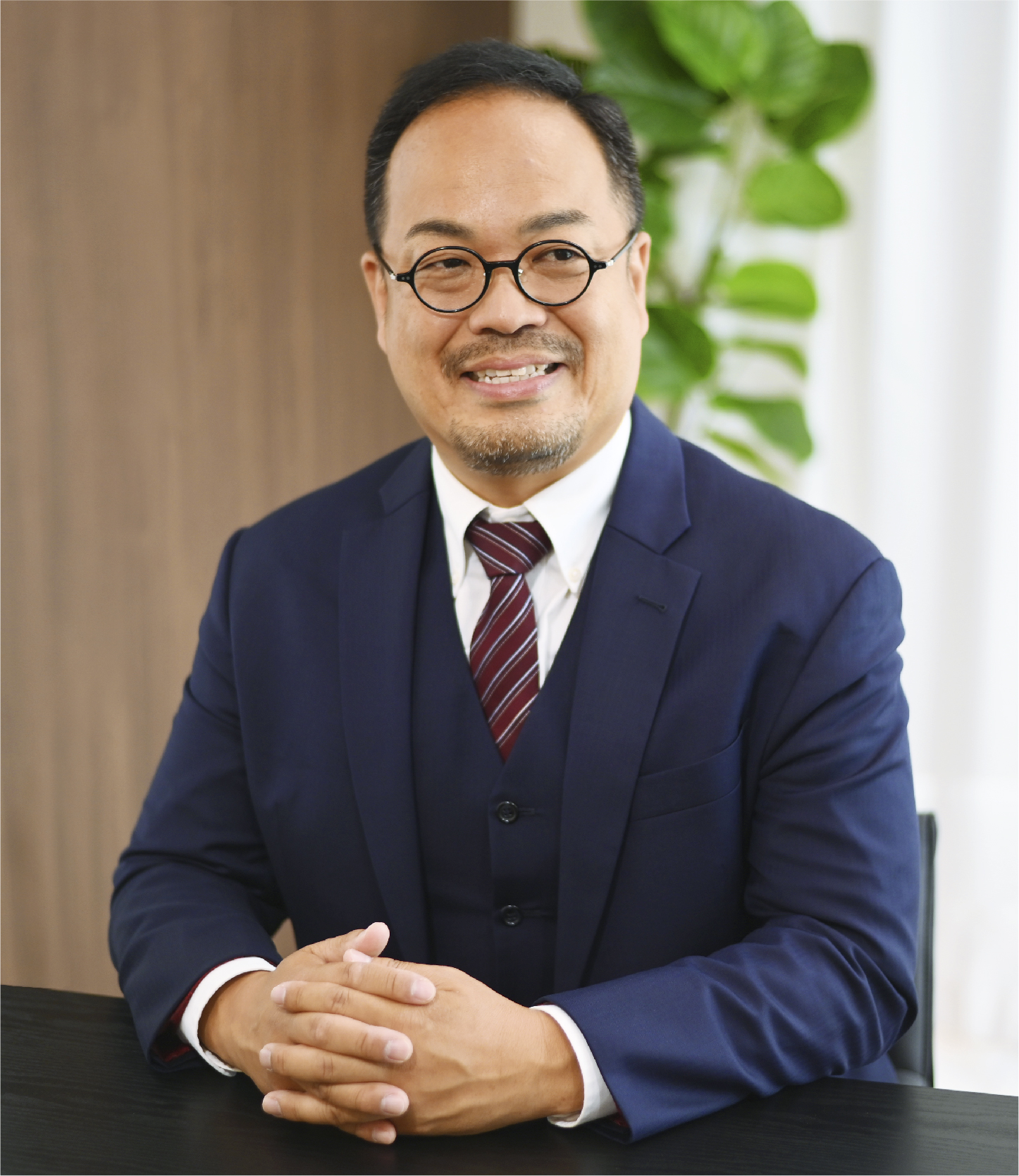
Tomohiro Minami CEO, TMHR Advisory & Coaching LLC
CHAPTER 01
As an organization growing at an extremely rapid pace with employees drawn from diverse industries, implementing HR systems is essential to instill the company’s mission, vision, and values.
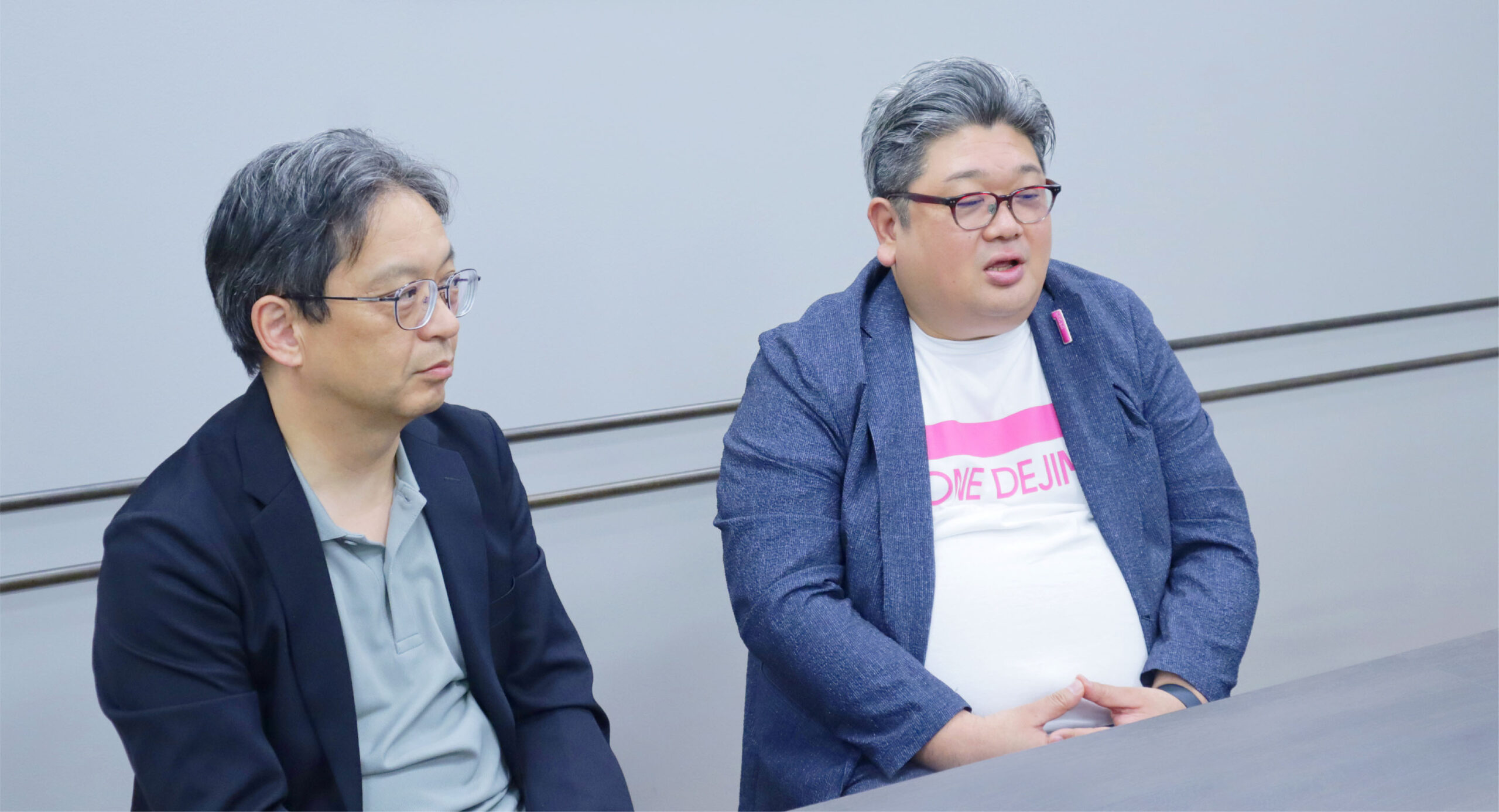
Please tell us the background and reasoning behind the decision to create and implement the HR system.
Mr. Toyama
First, let me explain our origins. Our company was established in Nagasaki in December 2023 as an outpost for Ocean Network Express (hereinafter ONE), headquartered in Singapore.
ONE itself is a Japanese container shipping company formed by integrating the container divisions of NYK Line, Mitsui O.S.K. Lines, and Kawasaki Kisen Kaisha. Established in 2017, it achieved world-class profitability within just five years of its founding.
As ONE expands its shipping operations, there is an increasing need for personnel to support strategic planning and execution, including in areas such as the environment and digital initiatives. The Singapore headquarters alone lacks sufficient personnel, and staff are overwhelmed by routine tasks, unable to shift focus to future-oriented work. In this situation, the very purpose of the headquarters is to support the operations of the Singapore headquarters from Japan.
Currently, we serve only ONE as our client, handling headquarters functions such as HR, labor relations, agency management, market research, data analysis, and shipping-specific operations. However, we plan to expand our business by offering services to companies beyond ONE in the future. Therefore, we aim to grow to a team of 320 people by 2030, approximately ten times our current size.
Given this growth, we decided to design and implement our own HR system. This is necessary to ensure our employees internalize the company’s mission, vision, and values while performing their duties, and to enable us to provide specialized services beyond ONE. This system must differ from the HR systems typically required by shipping companies. Like most employees, I started my career in an industry other than shipping industry. The fact that the majority of people come from various industries makes it extremely difficult to achieve a shared understanding of how we approach our work. Therefore, I believe it is crucial to foster a common understanding among employees through our HR system.
Thank you. Having decided to utilize a consulting firm to advance your HR system design, could you also explain why you sought to bring in another external firm to objectively review the HR system being designed?
Mr. Toyama
We realized we couldn’t create the HR system we envisioned on our own, so we brought in an external consulting firm. However, we didn’t want to hand everything over to them; we wanted to engage in debate and reach our own consensus. That meant we needed an advisor on our side.
Others might see this as double the cost, but we don’t view it that way because consultants and advisors serve different roles.
While pondering this, I had a business trip to Germany. On the flight there, I read Mr. Minami’s “Global Lessons: A Page from Modern Japanese Human Resources Management.” It was quite fascinating. Though it covers global HR management, it centers on the Japanese approach and includes many international case studies. I read it in one sitting. After finishing it, I wondered what kind of person had written this book. I asked someone who knew Mr. Minami to arrange a meeting with him. It turned out to be quite good and interesting.
Also, reading three books on my own and proceeding while determining “this area should be the fairway” was the right approach.
CHAPTER 02
Mr. Minami’s book served as our entry point for selecting TMHR. The deciding factor was his ability to support us from our perspective, offering an objective viewpoint rooted in his extensive experience.
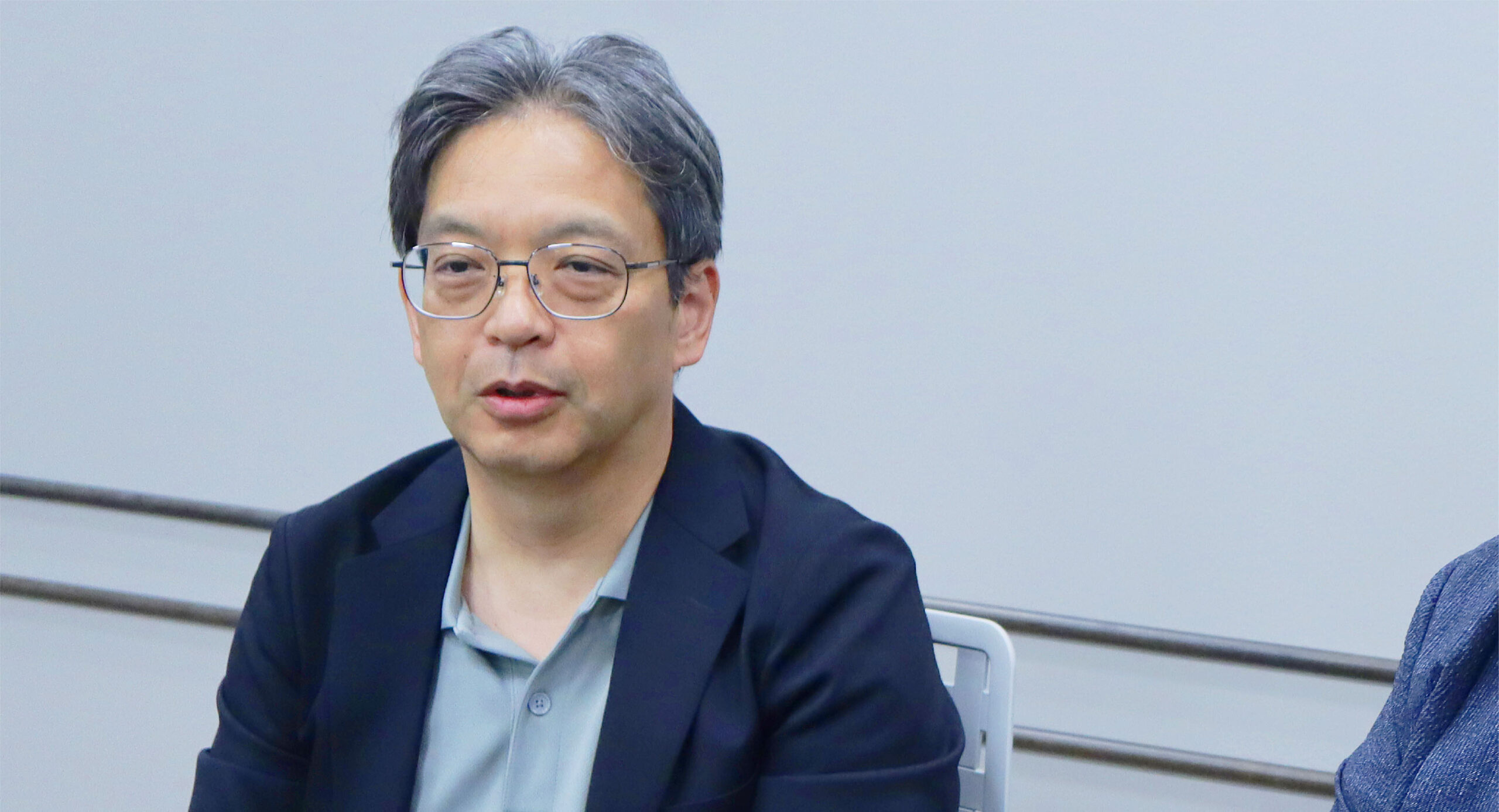
Why did you choose us as that partner?
Mr. Kosasa
We were concerned that relying solely on our own resources could inevitably lead to a biased HR system. Therefore, we believed that by discussing and refining it with external experts, we could achieve a more balanced HR system through their calm and objective perspective. Furthermore, rather than relying on just one external firm, we thought that receiving advisory support from multiple sources offering different viewpoints would make the system virtually impenetrable.
I heard that designing and implementing HR system that would normally take a year, but we managed to get it up and run in just three to four months. Our team members worked hard, and with TMHR and the consultants joining us, we successfully established the framework, so we didn’t encounter any major difficulties.
Specifically, what aspects did you find good?
Mr. Kosasa I spent 35 years at a bank in my previous role, during which time our HR system changed five or six times. Each time, they seemed to incorporate the trends of the moment, but ultimately, it felt like we went back and forth, ending up back where we started. While many books on HR are filled with cutting-edge initiatives and trends, Mr. Minami’s work reevaluates Japanese-style talent management. For example, it doesn’t outright reject seniority-based systems; instead, it explores how to fine-tune them to work effectively. This resonated deeply with me. I felt my selection criteria were spot on.
What kinds of challenges did you encounter while actually advancing the project?
Mr. Kosasa We knew beforehand that our members weren’t experts in designing HR systems. So, we had the consulting firm handle the design work with them at the center. Finally, we brought in TMHR to review whether the draft design was appropriate and finalized it. Therefore, I believe it probably wouldn’t have worked out without TMHR. If we had only relied on the consulting firm to create it, I think it would have become unworkable once we tried to implement it.
CHAPTER 03
Without top management learning fundamental concepts about HR systems from books and other sources, clearly indicating direction, and strongly engaging, good HR systems cannot be created.
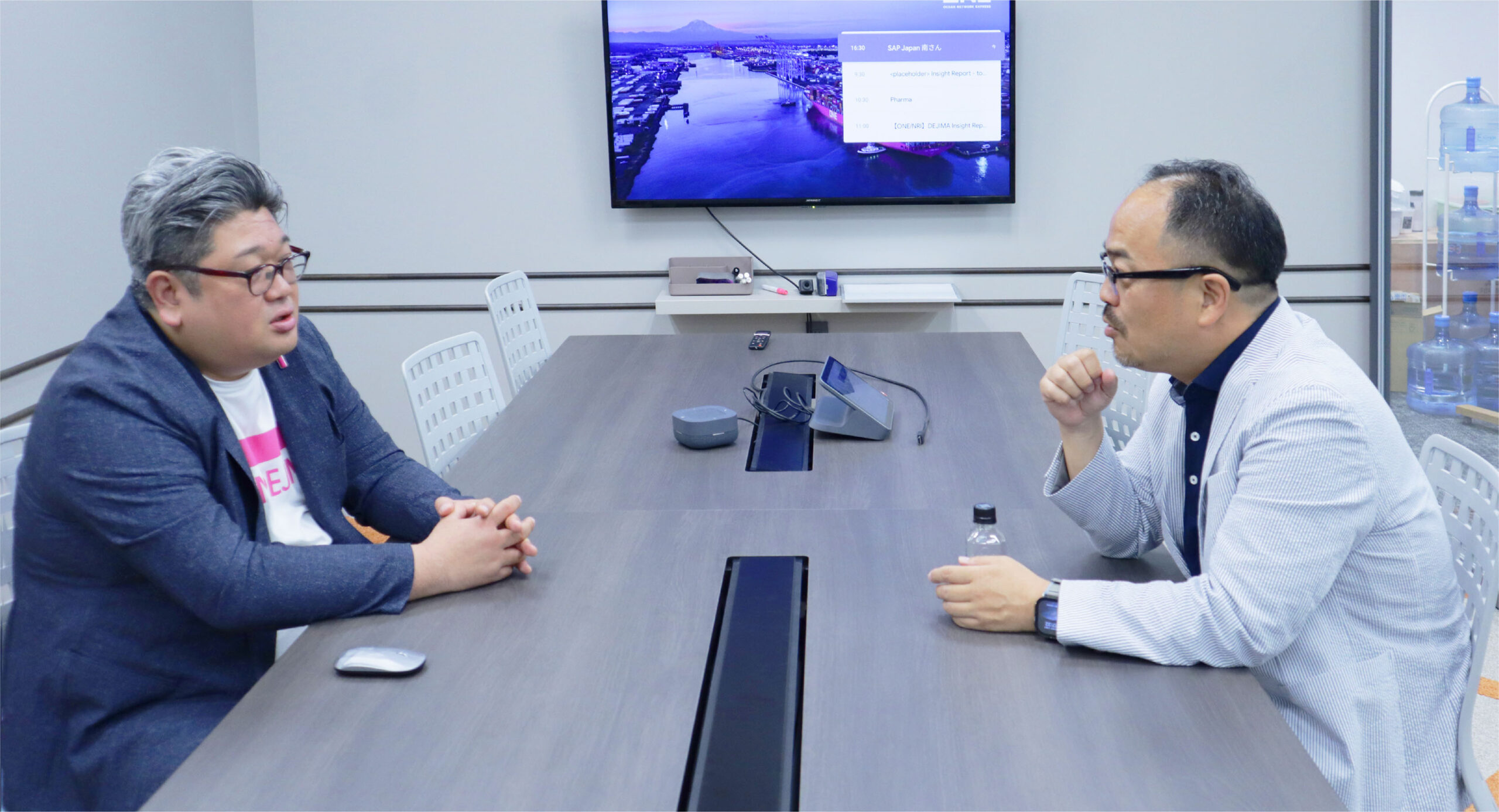
Companies, especially startups, that aspire to leverage talent management more effectively to directly drive business performance—much like your company—tend to adopt this mindset as they reach a certain scale. We would greatly appreciate your advice for such companies.
Mr. Toyama
Top management involvement is essential, but without a clear management vision—specifically, “what kind of company do we want to be?” and “what kind of management do we want to practice?”—it’s impossible to design HR system, especially appraisal system. That vision must be clarified. On top of that, the first step is to clearly define expectations for employees: “What do we want to leverage within this company, and how do we want them to contribute?”
Second, I believe it’s crucial to read books and gain a fundamental understanding of the underlying concepts, societal trends, and the very nature of HR system. Reading helps you realize, “Ah, so that’s why it’s structured that way. That explains why it was done differently at my previous company.” You really need to thoroughly read introductory books in this field, form your own ideas about “what you want to achieve,” and then seek help from others. Otherwise, it’s difficult to make significant progress.
I believe these two points are crucial.